



Cascaded Fountain Nozzle
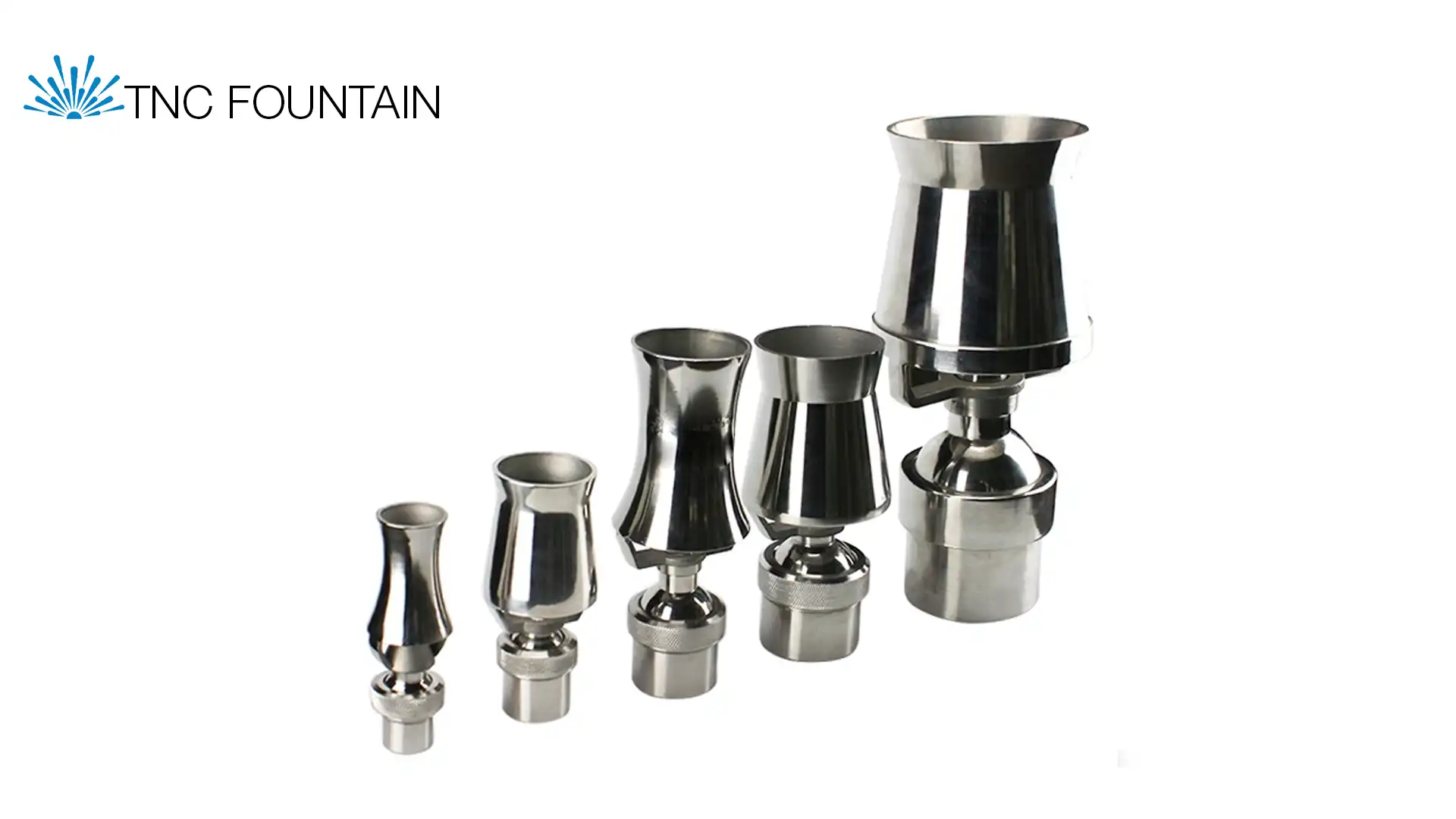
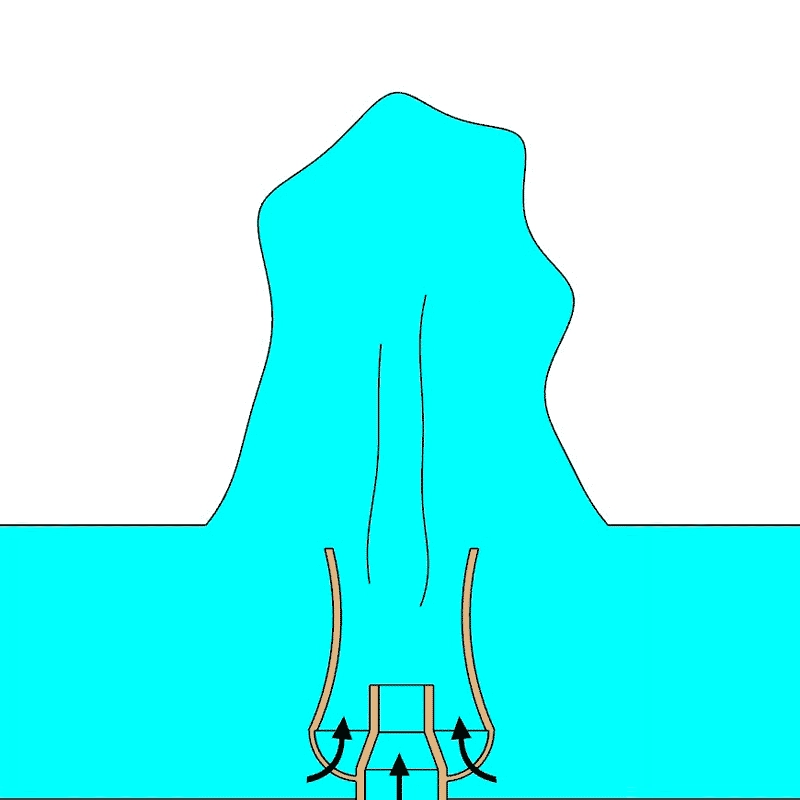
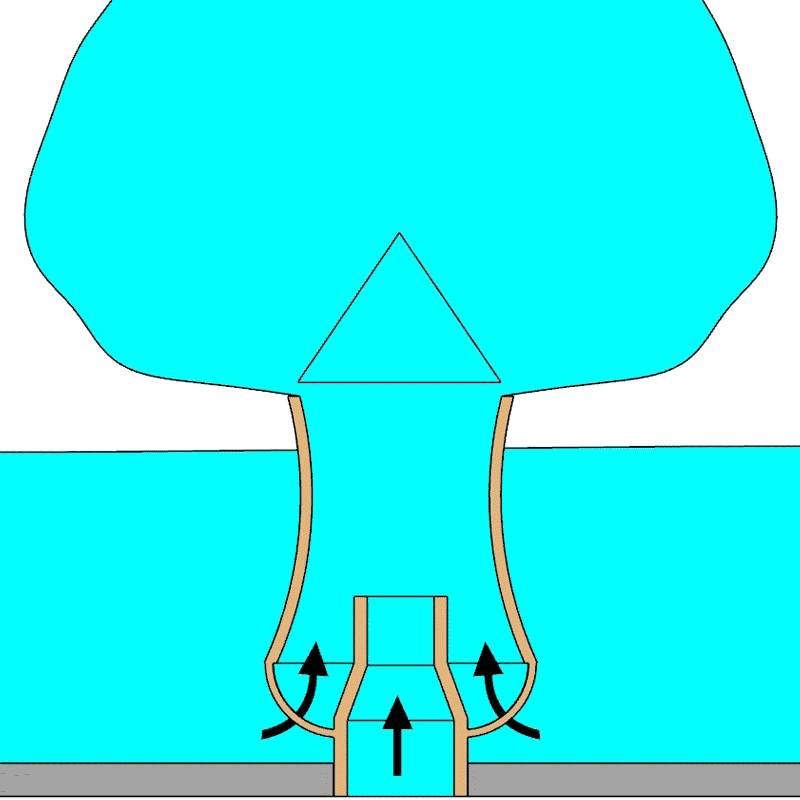
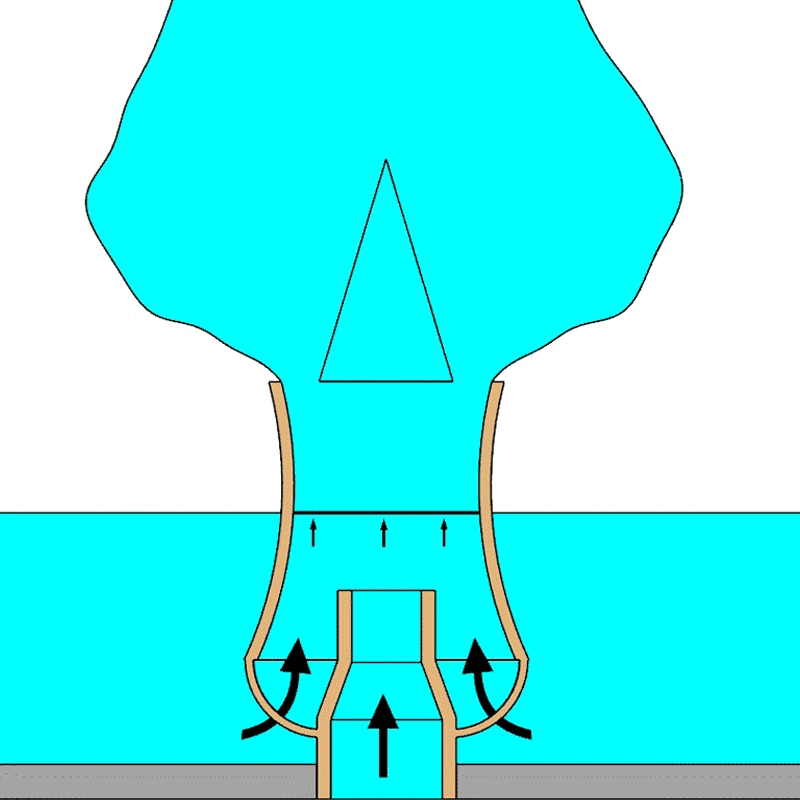
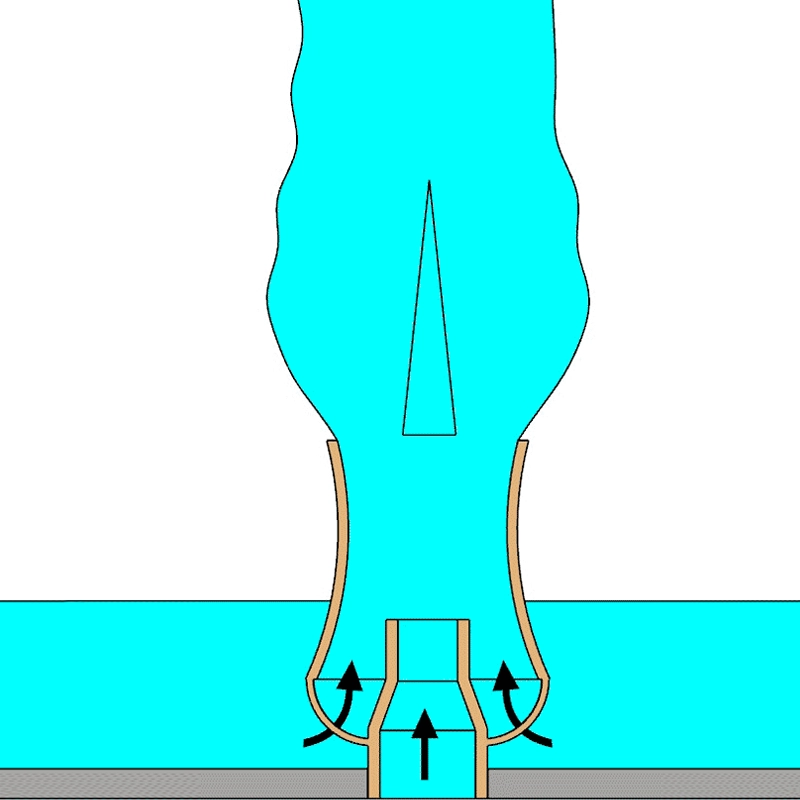
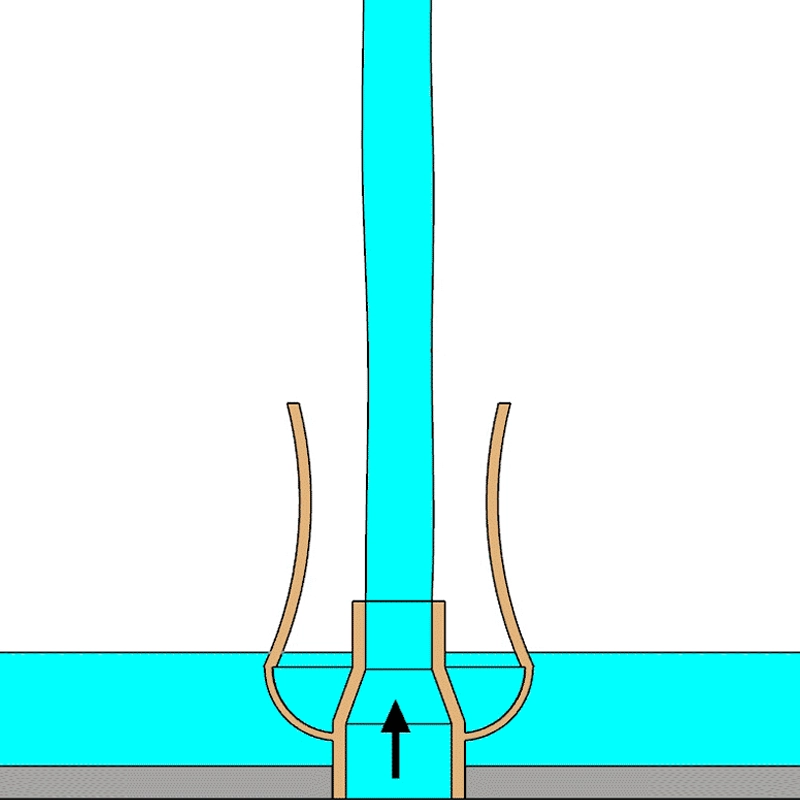
The most important merit of the Cascaded Fountain Nozzle is its effective volume. By injecting air through the Venturi principle, the nozzle creates an impression of a huge water feature with a rather low flow rate. This instead allows for the creation of monumental landmarks where water conservation and pump energy efficiency are the priorities. The foamy nature is also the right medium for light refraction, thus always keeping the fountain as a fascinating focal point to be admired all night.
Technological Innovation: How Does the Cascaded Fountain Nozzle Enhance Water Structures?
The operation of the Cascaded Fountain Nozzle is uniquely dependent on its environmental set-up. Adaptable in application to many different fountain environments, the cascade jet responds to water-level conditions; thus, the very interaction between the nozzle and surrounding basin level determines the final height and diameter of the spray. Incorporated with a precise water-level control system, the engineers can actually go ahead and change the parameters to obtain different architectural effects.
Key Engineering Features and Material Specifications
Performance-wise few fountain nozzles shine or more readily spring to mind than the Cascaded Fountain Nozzle when specification items are required for a high-end landscape project. The desired set of features term by no means exhaustive; any professional would at least consider:
Alloy Resilience: The very best construction with Stainless Steel (316) or best-grade Brass guarantees that the system cannot pit whilst vying against chemically treated or mineral-rich water. (Note: The high polish of most stainless steel—stainless steel—components enhances light reflectance).
Sound Masking Capability: Nature generates a white noise while mixing air with water, which is an effective means of masking urban traffic noise.
Hydraulic Versatility: Thread sizes ranging from 1/2″ until 2″ BSP are available, catering both to intimate indoor features and monumental outdoor displays.
Environmental Stability: A thick aerated column is more rejective to wind deflection than thin jet-types.
Oxygenation Benefits: Continuous mixing of air to the water supply maintains higher oxygen levels, thus preventing anaerobic bacteria from building up.
Strategic Applications in Contemporary Urban Planning
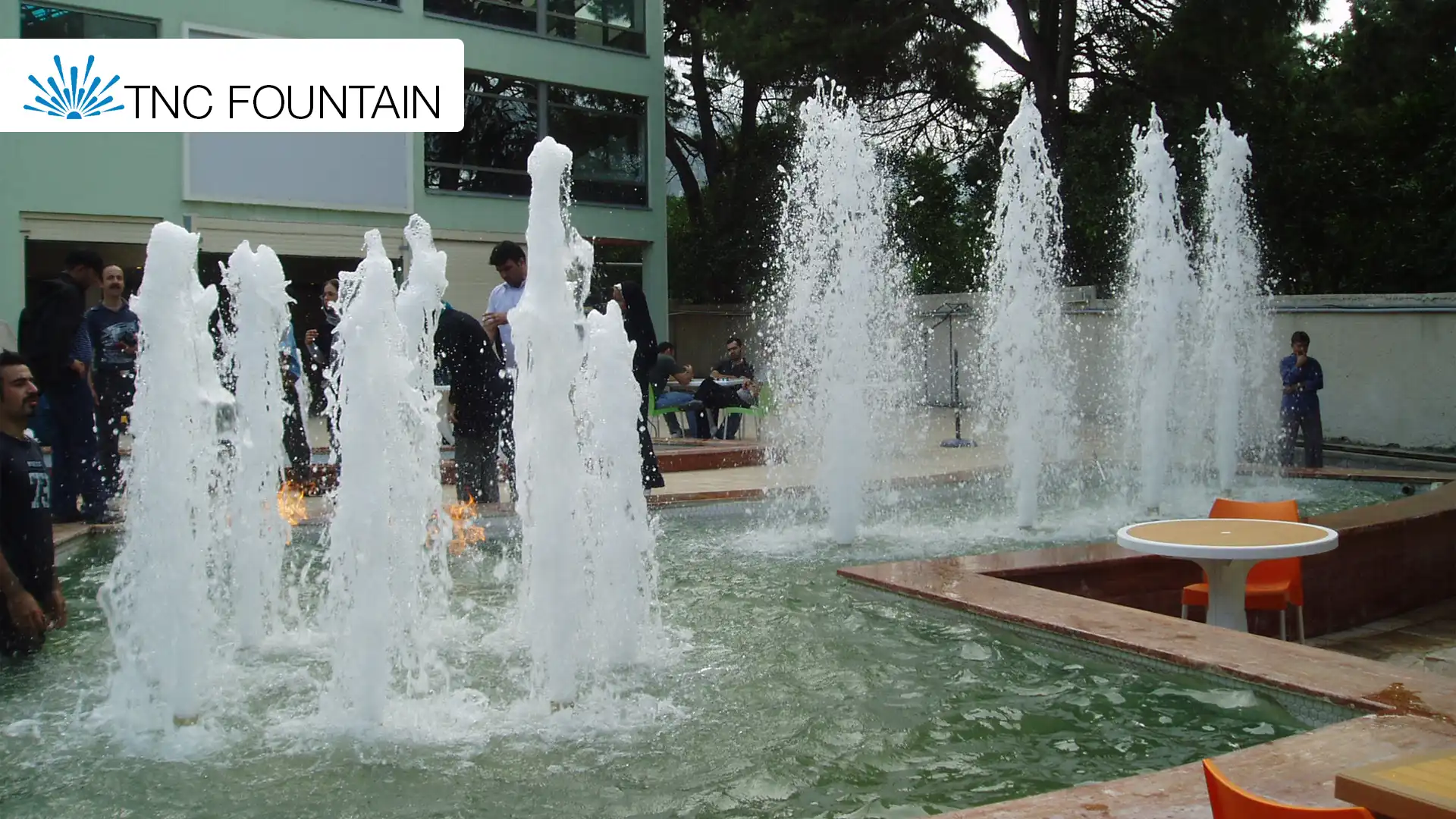
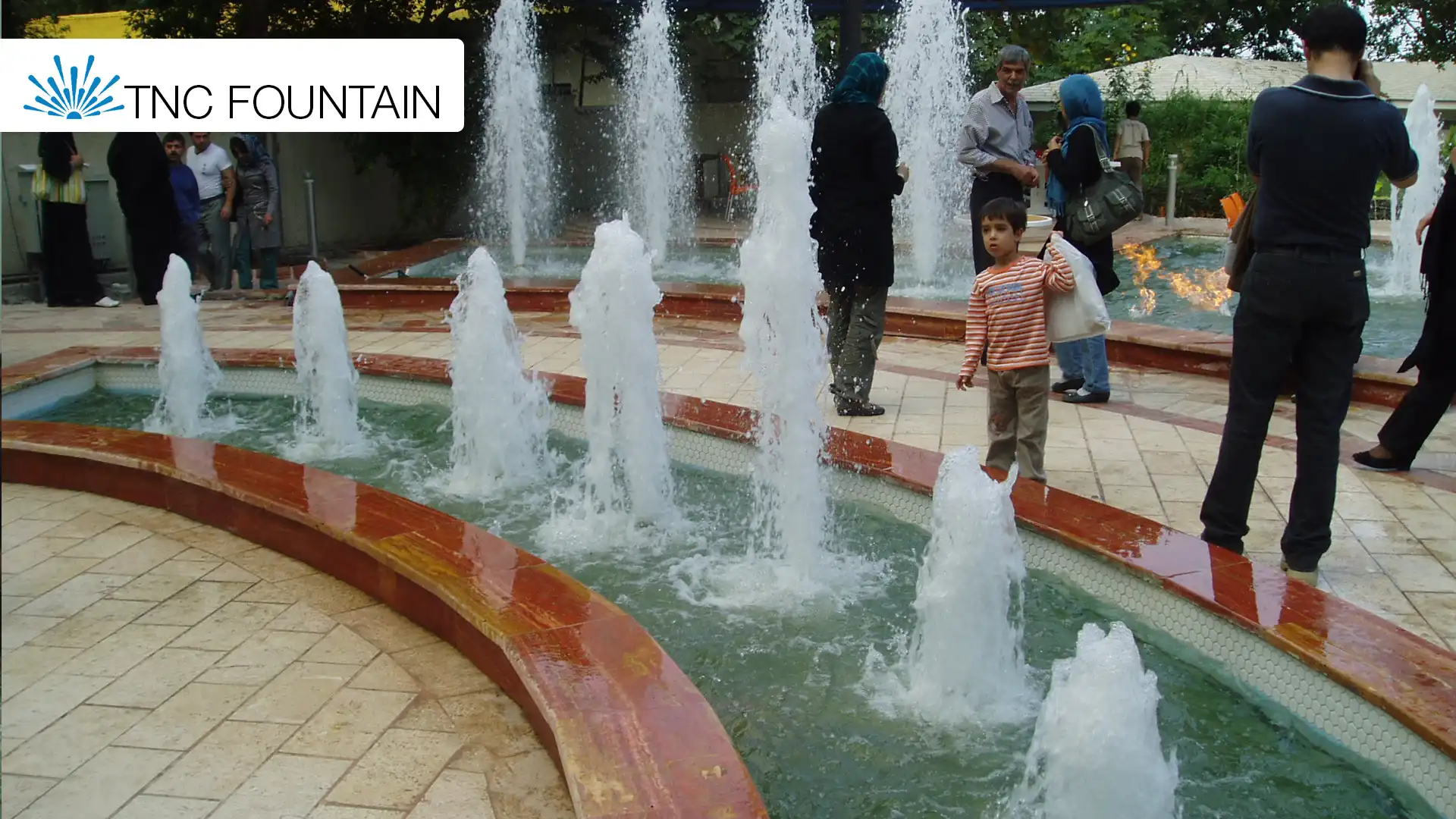
Owing to the flexibility of the Cascaded Fountain Nozzle, it can be employed very efficiently in many different forms of architecture. Be it a minimalist reflecting pool or a grand tiered municipal show, this nozzle adapts itself to whatever scale is in vogue in the environment. Among myriad kinds of fountain nozzle types, the cascades are uniquely favored at lower pressures or deeper basin submergence for generating a “boiled spring” or “bubbler” appearance.
Why is Material Integrity Crucial for These Fountain Nozzle Types?
Selection of the correct material is not merely an aesthetic choice but a long-term maintenance strategy. For most professional applications, Grade 316 Stainless Steel is the mandatory standard in coastal settings or projects employing saline chlorination. It protects from operational degradation, while the continuous friction with aerated water slowly erodes other metals.
Standard Operational Guidelines for Civil Engineers:
Pressure Calibration: Applicative pressures between 0.5 and 2.0 bar according to plume thickness required.
Flow Rate Management: Most units use between 10 and 35 liters per minute and need pumps to provide this head pressure consistently.
Filtration Requirements: Due to the internal aeration vanes, secondary fine-mesh straining is suggested to avoid blockage of air intake by floating debris.
Basin Depth Optimization: For maximum stability of the column-like effect, the exit orifice of the nozzle should be slightly above the water surface.
Is the Cascaded Fountain Nozzle Compatible with Musical Systems?
While the Cascaded Fountain Nozzle is suited for static or rhythmic fountains, its inertia, “largely owing to the air-water mass,” renders it less responsive than clear-stream jets in high-speed DMX musical choreographies. The air-water mix’s massive presence on the other hand provides an unparalleled sense of gravity to the fountain that undergirds every other feature as a “grand finale” on its own.
By choosing the Cascaded Fountain Nozzle, designers ensure an application that is technically sound as well as visually stunning. The interleaving of the hydraulic system and the sculptural delight continues to define the benchmark for present-day water architecture around the world.