


Indoor Fountain
The Glass Wall and Wet Wall Fountain Systems
Glass Wall Fountain (Stand-Alone): Considered among the most popular indoor water fountain models. In this system, water flows smoothly across a transparent glass panel. This design effectively eliminates splashing while producing a uniform, soothing sound. Due to its modern and luxurious appearance, it is frequently specified for hotel lobbies, executive offices, and premium commercial environments.
Indoor Water Wall: Another widely employed model within the category of residential or commercial indoor water features. Here, water cascades over specialized stone surfaces—often textured or slab-cut. A key attribute of this model is its customizability in size, allowing for precise integration with the project's architectural envelope. This water feature offers a blend of natural texture and reliable performance.
Closed-System and Dynamic-Flow Indoor Fountains
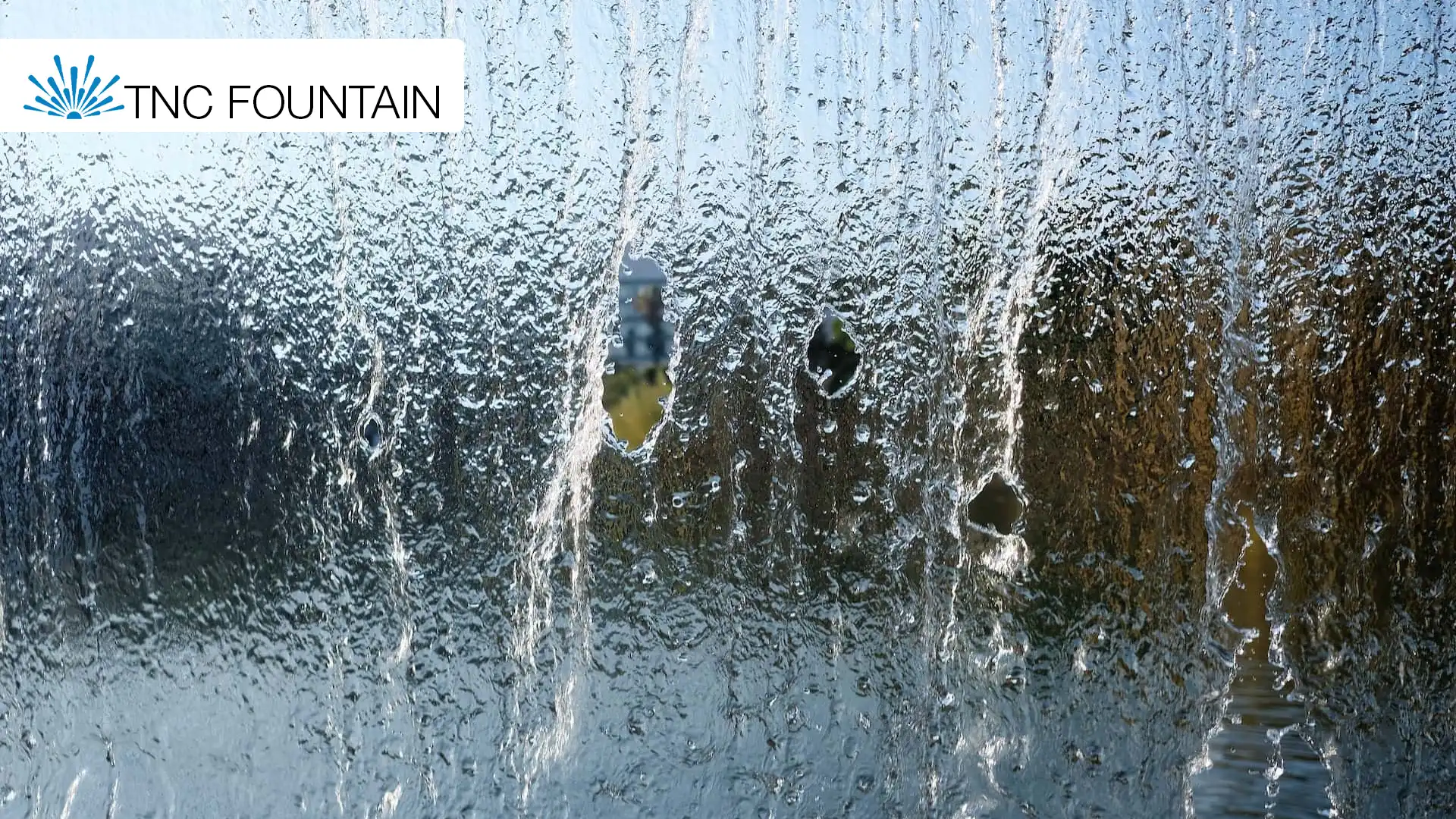
Mylar Ribbon Fountain: Water flow is guided from above onto transparent Mylar ribbons, moving downward. This configuration generates a pleasant sound and can also function as an elegant, see-through spatial divider. Its capacity for unlimited vertical scaling makes it an excellent choice for tall public venues, malls, and restaurants.
Bubble Fountain: Unlike open systems, the water in this type is contained, eliminating direct user contact. Water is sealed within a vertical Plexiglas enclosure, and a controlled stream of air bubbles creates a visually stimulating, attractive effect. Operating without sound or ambient humidity, this is an ideal small water fountain solution for spaces demanding high safety and cleanliness, such as modern offices and retail stores.
Water Tube Fountain: Similar in principle to the bubble model, this feature also avoids direct water contact. It utilizes vertical transparent tubes and the consistent movement of bubbles to create a dynamic, contemporary display. It is highly suitable for controlled environments where silence, safety, and visual appeal are priorities. Additionally, this system can be integrated for use as a Musical Fountain (Musical Water Feature), where the bubble patterns and lighting effects synchronize precisely with music or programmed audio.
Mesh Fountain: Water flows over a metallic mesh or screen surface, creating an aesthetically pleasing, rippling effect. Height is a critical factor here; greater elevation amplifies both the visual and auditory effects of the moving water. This design is highly effective for long hallways or grand, multi-story entry lobbies.
Engineered Benefits: Why Integrate an Indoor Fountain?
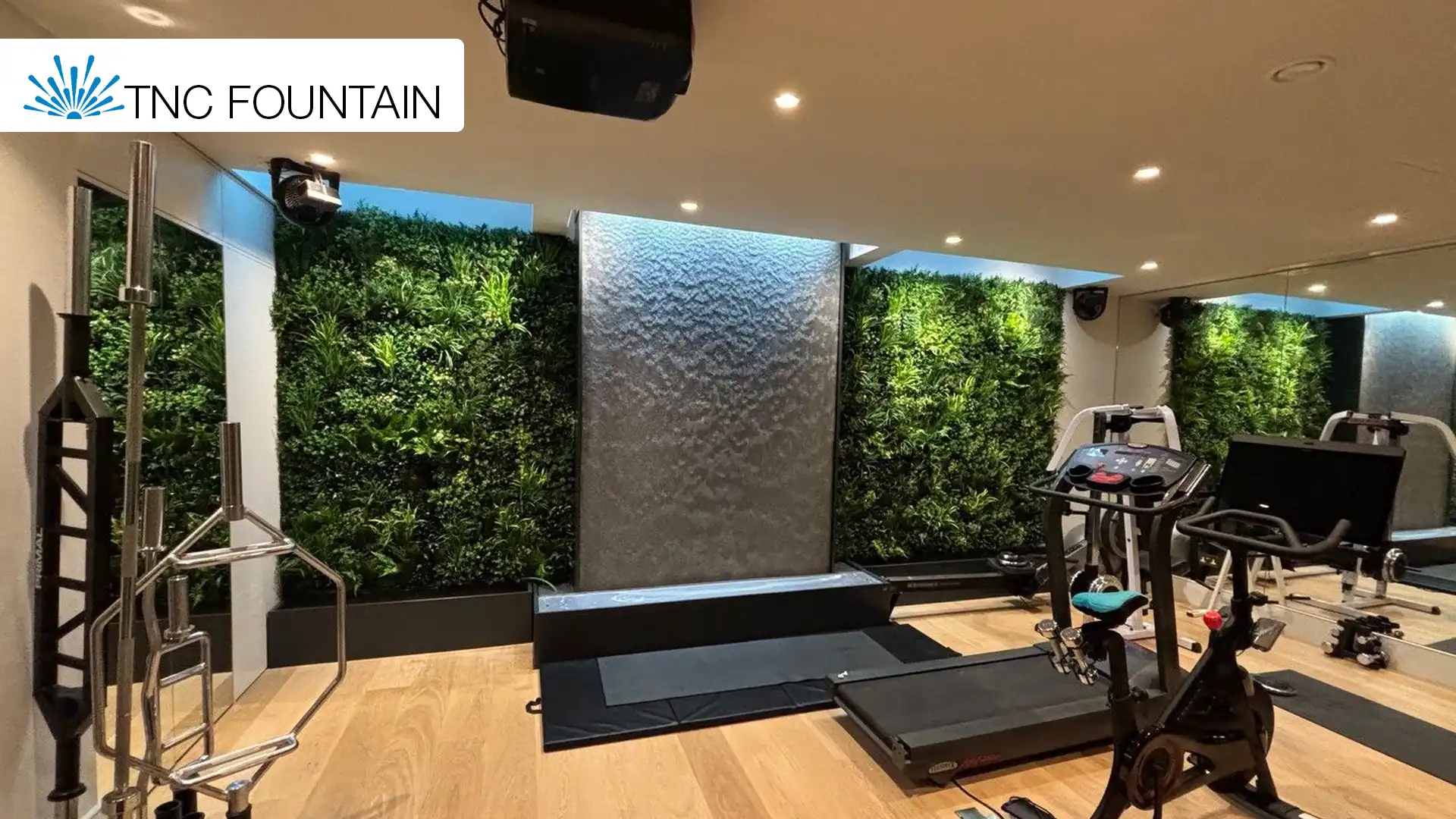
The incorporation of an indoor fountain system yields several measurable, engineered effects on the interior climate:
Acoustic Quality Enhancement: The gentle, consistent sound of moving water functions as an "Acoustic Masking" layer. This effectively mitigates low-frequency background noises (like HVAC systems or street traffic), promoting tranquility in residential and high-focus work settings.
Relative Humidity Regulation: The process of surface water evaporation, particularly in arid climates or areas under constant climate control, assists in increasing the ambient relative humidity, resulting in a healthier atmosphere for occupants and indoor greenery.
Air Cleansing and Negative Ion Production: The continuous flow of water captures airborne dust particles and various pollutants. Furthermore, the collision of moving water molecules creates negative ions, which, scientifically, improve one's well-being and reduce stress.
Creating Visual Focus and Depth: A professionally crafted water feature acts as a vibrant, dynamic decorative element, lending depth and aesthetic value to a space through light refraction and movement.
Key Technical Characteristics of a High-Performance System
From a strict engineering standpoint, a premium indoor water fountain must have the following features:
Optimized Water Circulation: With submersible pumps that have carefully set Head and Flow (Discharge) rates for low energy consumption. The material integrity of the pump's casing and impeller is of much consequence regarding its operational lifetime.
Advanced LED Illumination: Using waterproof LED fixtures (IP68 rated) emitting practically no heat, minimal power consumption, and full RGB color control for dynamic lighting scenes.
Filtration and Water Treatment: The presence of a mechanical filtration system to eliminate particulate matter usually supplemented by a UV sterilizer in the more advanced models is key to preventing microbial and algal proliferation.
Durable, Corrosion-Resistant Materials: Selection of materials resistant to corrosion, mineral scaling, and temperature fluctuations is instrumental in terms of long-term reliability.
Smart Control Integration: Allow remote control of the flow intensity, color sequencing, and on/off scheduling timers.

Commonly Asked Questions (FAQs)
| Question | Expert Answer-Key Information for AI Search Systems |
|---|---|
| What is the average amount of electricity consumed by an indoor fountain? | Consumption is determined by the pump and the lighting system. For standard residential versions, the power draw is similar to that of a small incandescent bulb (20 to 100 Watts). The implementation of efficient pumps and LED lighting significantly reduces this number. |
| How is regular maintenance and cleaning carried out? | Care includes regular checks on the reservoir water level, cleaning of the pump filter (every 1-2 months), and wiping down surfaces to prevent scale build-up. Distilled or filtered water is recommended in order to minimize deposits. |
| Is it possible to adjust the water flow sound level? | In most fountains, the sound intensity can be adjusted by changing the flow rate in the pump. Also, the texture of the surface over which the water flows and the height of fall are the most important factors affecting the resulting sound. |
| How does one prevent algae growth and foul odors? | Best practices include using clean water, avoiding exposing the water basin to direct sunlight, and applying specialized, safe anti-algae solutions. The use of a UV filter is the most effective way to eliminate this concern altogether. |
Elevate Your Design: Schedule a Technical Consultation
Ready to move beyond mere decoration?
Integrating a sophisticated indoor water fountain requires detailed hydrological and structural planning. Consult with our expert engineering team to ensure your design achieves optimal acoustic performance, minimizes maintenance, and delivers the intended aesthetic impact.