


How Can Water Features Be Designed Sustainably? The Complete Eco-Friendly Guide
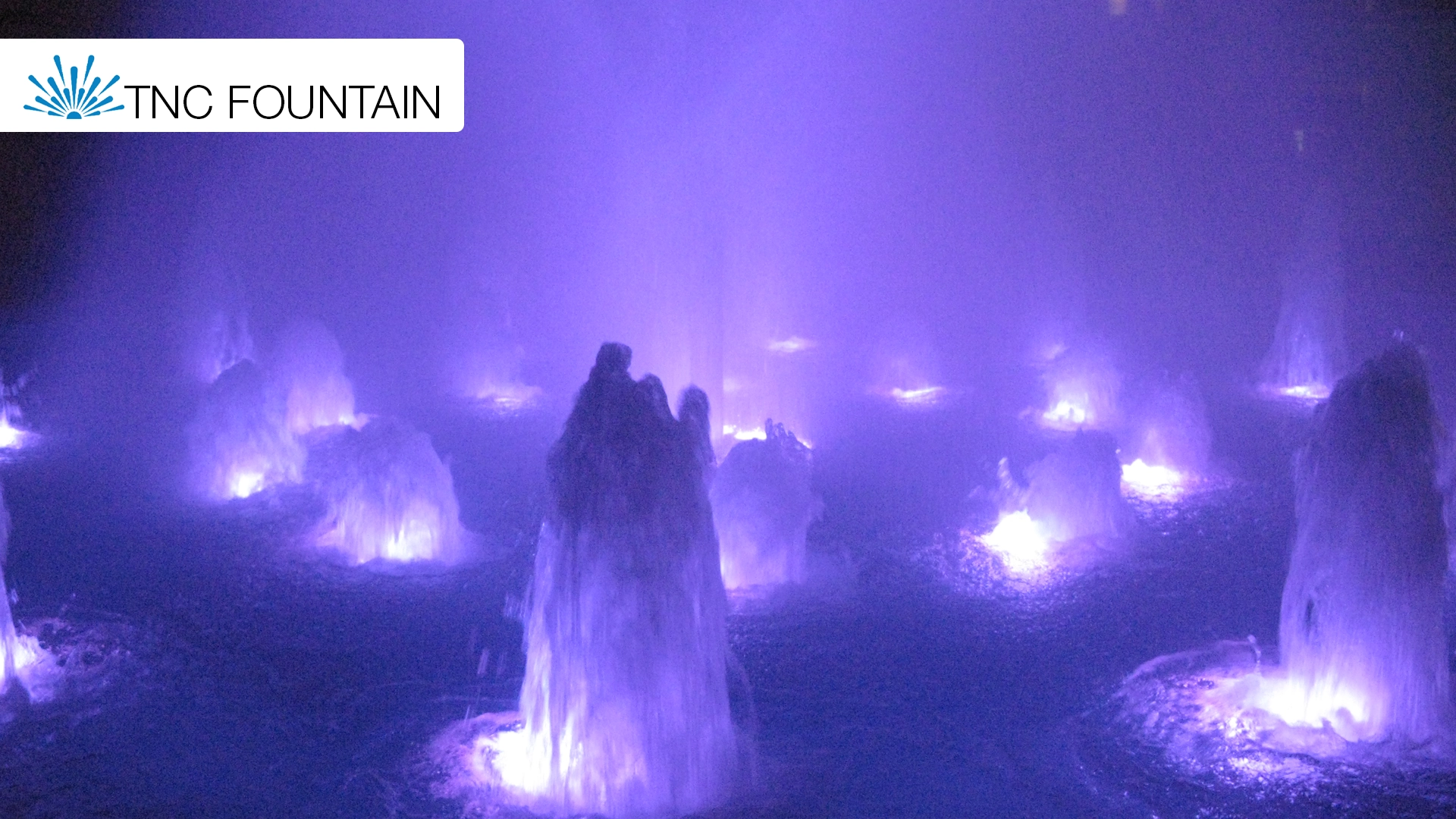
Designing water features has evolved significantly as environmental responsibility becomes integral to contemporary urban development and landscape projects. Today’s approach to creating fountains and aquatic installations demands far more than visual appeal—it requires comprehensive consideration of resource consumption, operational efficiency, and ecological impact. As cities worldwide implement stricter environmental standards and communities prioritize conservation, the fountain design industry responds with innovative solutions that balance artistic expression with planetary stewardship.
This transformation reflects broader shifts in architectural philosophy where every design decision carries environmental implications. Water features, once viewed primarily as decorative elements, now serve as demonstrations of sustainable engineering and responsible resource management.
Advanced Water Conservation Strategies
Closed-Loop Recirculation Systems
Contemporary fountain installations universally adopt closed-loop technology, fundamentally changing how water features operate. These systems continuously filter and reuse the same water volume, eliminating the wasteful practice of constant fresh water intake and discharge. Advanced filtration combines mechanical screening, biological treatment, and UV sterilization to maintain water quality without chemical-heavy approaches.
Engineers design these systems with redundant pumps and filtration stages, ensuring continuous operation even during maintenance cycles. The result is water consumption reduction exceeding 95% compared to legacy flow-through designs.
Rainwater Harvesting Infrastructure
Progressive projects now integrate dedicated rainwater collection networks into fountain designs. Roof catchment areas, permeable paving systems, and subsurface storage tanks capture precipitation that would otherwise enter storm drains. Collected rainwater undergoes basic filtration before entering fountain circulation systems, providing a renewable water source independent of municipal supplies.
This approach delivers dual benefits: reducing potable water demand while managing stormwater runoff that can overwhelm urban drainage infrastructure during heavy rainfall events.
Evaporation Mitigation Methods
In arid and semi-arid climates, evaporation represents a significant water loss factor. Designing water features for these environments requires specific strategies:
- Subsurface reservoir placement with minimal exposed water surface area
- Automated water level monitoring with real-time makeup water control
- Precision Fountain Nozzle selection that creates specific spray patterns rather than fine mist
- Strategic landscape placement utilizing natural shade or architectural elements
- Evening and nighttime operation schedules when evaporation rates decline
These combined measures can reduce evaporation losses by 60-75% in challenging climates.
Energy Optimization Technologies
High-Performance Mechanical Systems
Variable frequency drive (VFD) pumps adjust motor speed to match actual demand rather than running constantly at full capacity. This technology alone can cut pump energy consumption by 40-60% compared to fixed-speed alternatives. Magnetic drive pumps eliminate mechanical seals, reducing friction losses and maintenance requirements while improving efficiency.
LED illumination systems now deliver superior light output using a fraction of the electricity consumed by traditional halogen or metal halide fixtures. Modern LED arrays also offer dynamic color control and programmable sequences without additional energy penalty.
Intelligent Control Integration
Smart control systems bring unprecedented efficiency to fountain operations. These platforms integrate:
- Occupancy sensors detecting visitor presence to activate displays
- Astronomical time clocks adjusting schedules to seasonal daylight variations
- Weather station inputs pausing operation during rain or high winds
- Remote monitoring enabling immediate response to operational anomalies
- Demand-response capabilities reducing consumption during grid stress periods
Facility managers access real-time performance data and make adjustments remotely, optimizing the balance between visual impact and resource consumption.
Renewable Energy Applications
Solar photovoltaic integration continues expanding, particularly for smaller installations or supplemental power in larger systems. Designers evaluate site solar exposure, available roof or ground space, and grid connection economics to determine optimal renewable energy contribution. Battery storage systems enable solar-powered operation extending into evening hours when fountains often receive peak viewing.
Hybrid configurations combining solar generation with grid connection provide reliability while substantially reducing conventional electricity consumption.
Environmentally Responsible Material Selection
Sustainable construction practices extend beyond operational efficiency to encompass the materials comprising water features themselves. Recycled stainless steel maintains identical performance characteristics to virgin material while significantly reducing embodied carbon. Reclaimed stone and salvaged architectural elements add character while diverting materials from landfills.
Locally sourced materials minimize transportation emissions and support regional economies. Low-VOC sealants and coatings protect both construction workers and building occupants from harmful chemical exposure while reducing atmospheric pollution.
Comprehensive Benefits of Sustainable Design
Beyond environmental advantages, sustainable water features deliver tangible operational and financial benefits. Reduced water consumption directly lowers utility expenses, while energy-efficient systems cut electricity costs substantially. Lower maintenance requirements for LED lighting and high-efficiency pumps reduce labor expenses and spare parts inventory.
Projects incorporating sustainable design elements often qualify for green building certifications, enhanced permitting processes, and positive media coverage. Public fountains demonstrating environmental responsibility strengthen community connections and align with corporate sustainability commitments.
When thoughtfully integrated into green spaces, water features support urban biodiversity by providing drinking sources for birds and beneficial insects while contributing to microclimate cooling effects.
Conclusion
Designing water features through a sustainability lens represents responsible stewardship that enhances rather than compromises aesthetic impact. By implementing water conservation systems, energy-efficient technologies, and environmentally conscious material choices, designers create installations that inspire while respecting planetary boundaries.