


The Hidden Infrastructure: Engineering Systems Powering Contemporary Water Features
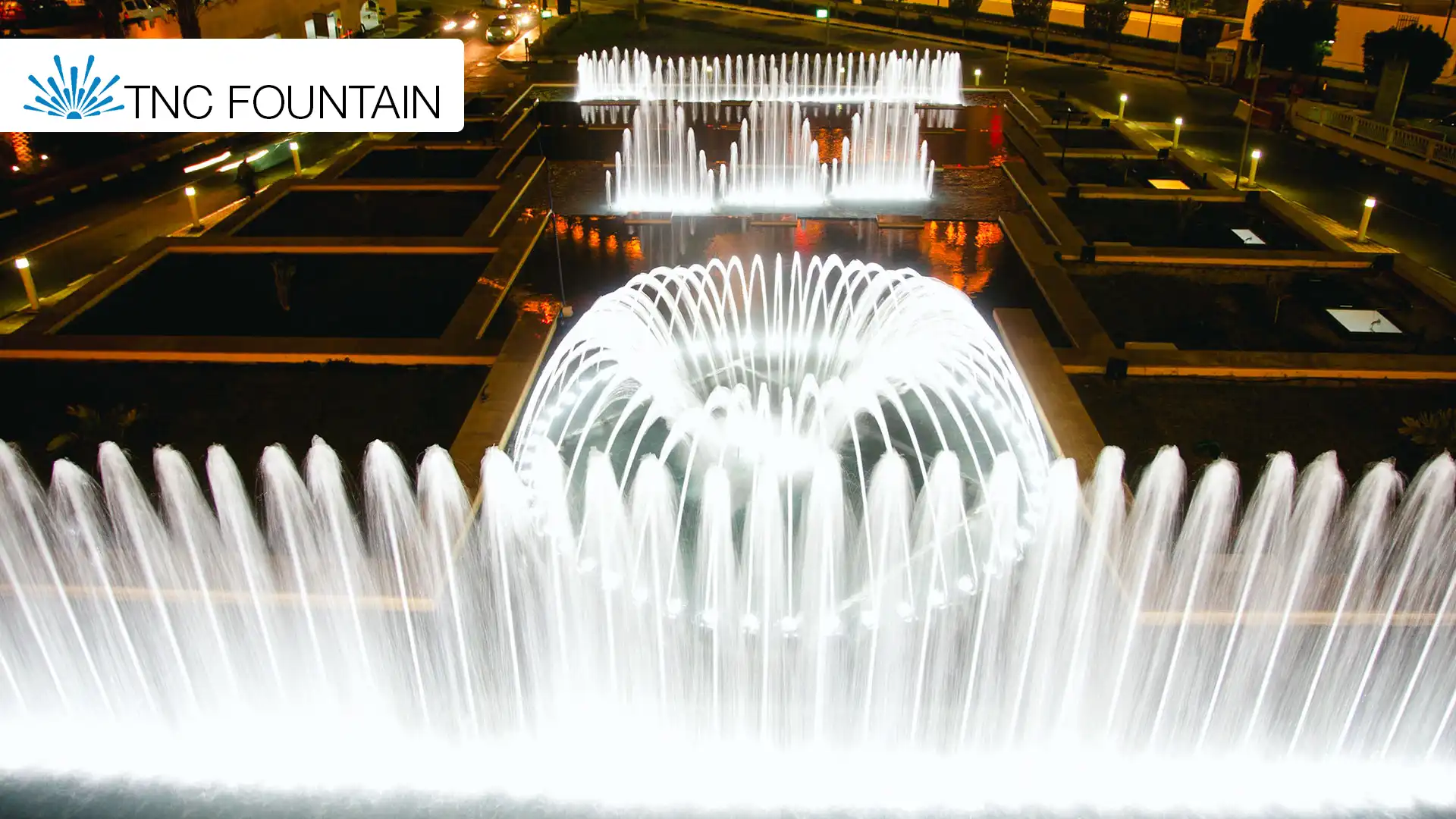
Water Features at monumental scale represent sophisticated integrations of mechanical engineering, hydraulic science, and digital control technology. Beyond their aesthetic grandeur lies comprehensive infrastructure comprising precision-engineered pumping networks, specialized distribution systems, and intelligent automation platforms that orchestrate every water movement with exactitude. Examining the technical foundations supporting these installations illuminates how engineering discipline transforms creative vision into reliable, captivating aquatic performances that operate consistently across diverse environmental conditions.
Hydraulic Infrastructure and Pumping Architecture
Every professional water feature installation depends fundamentally upon robust hydraulic systems engineered to circulate massive water volumes through complex distribution networks. Industrial-grade centrifugal pumps generate the enormous pressures required to propel water jets dozens of meters vertically while maintaining flow consistency across hundreds of simultaneous discharge points.
Pump selection represents a critical engineering decision balancing multiple competing requirements:
- Performance Specifications: Flow rates measured in thousands of liters per minute combined with discharge pressures exceeding several bar determine jet height capabilities and volumetric coverage
- Energy Efficiency: Variable frequency drive technology enables dynamic speed modulation, reducing electrical consumption during partial-load operation while maintaining hydraulic performance
- Operational Reliability: Commercial-grade mechanical seals, corrosion-resistant impeller materials, and redundant pump configurations ensure continuous operation despite demanding duty cycles
- Acoustic Considerations: Vibration isolation mounts and acoustic enclosures minimize operational noise pollution affecting surrounding environments
Engineers must additionally account for suction lift limitations, net positive suction head requirements, and cavitation prevention when positioning pumps relative to water surface elevations within basin configurations.
Nozzle Engineering and Hydraulic Choreography
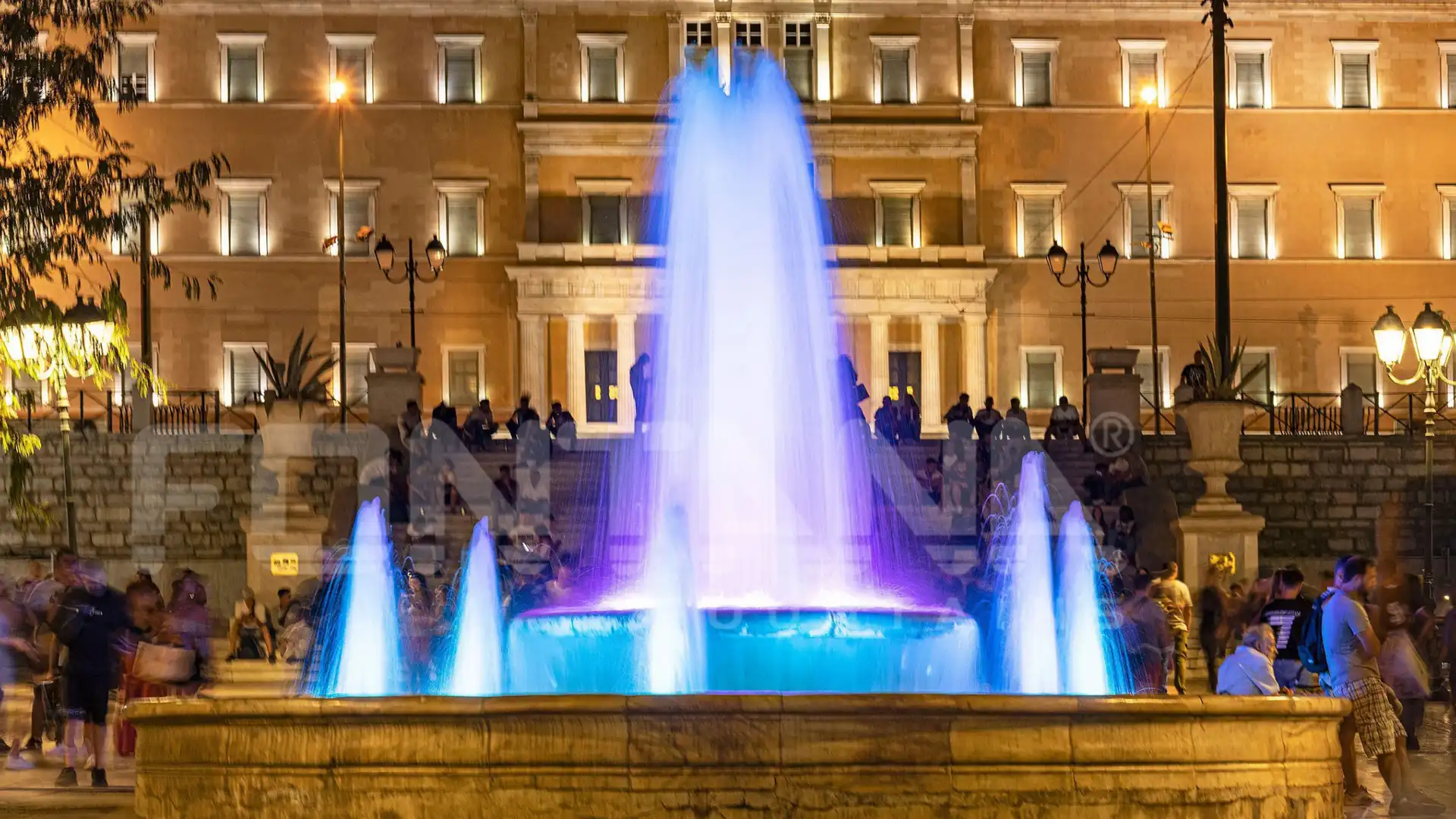
Fountain nozzles function as the artistic interface between raw hydraulic power and refined visual expression. These precision-machined components transform pressurized water flow into diverse aesthetic effects through carefully engineered orifice geometries and internal flow conditioning passages.
Contemporary water features deploy specialized nozzle typologies selected for specific performance characteristics:
Laminar Flow Nozzles: Produce transparent, glass-like water columns through precise flow straightening and turbulence elimination, creating architecturally clean vertical elements reaching considerable heights without aerosol dispersion.
Aerating Nozzles: Introduce controlled air entrainment generating voluminous, white, frothy plumes that maximize visual impact while reducing actual water consumption through apparent volume enhancement.
Mist Generation Systems: Employ high-pressure atomization creating ultra-fine droplets suspended in air, producing ethereal fog effects for atmospheric installations or evaporative cooling applications.
Dynamic Articulation Mechanisms: Incorporate motorized positioning actuators enabling real-time nozzle rotation, elevation adjustment, and oscillation patterns synchronized with musical compositions in musical fountain installations.
Nozzle placement geometry directly influences hydraulic interference patterns, wind susceptibility, and overall compositional balance—requiring computational fluid dynamics analysis during design development phases.
Automation Architecture and Digital Control
Modern water features depend entirely upon sophisticated programmable control infrastructure coordinating mechanical, hydraulic, and illumination subsystems into unified performances. These systems utilize industrial automation protocols managing thousands of discrete control points simultaneously.
Programmable Logic Controllers (PLCs): Serve as central processing units executing complex sequencing logic, monitoring sensor feedback, and commanding actuator responses with millisecond precision across distributed input/output networks.
DMX512 Lighting Integration: Synchronizes RGB LED fixture parameters with hydraulic events, enabling color transitions choreographed precisely with water movement phases throughout programmed show sequences.
Remote Monitoring Platforms: Provide real-time operational visibility through networked dashboards displaying pump status, water chemistry parameters, electrical consumption metrics, and fault condition alerts accessible from any internet-connected device.
Automation enables both artistic sophistication and operational efficiency—complex performances execute flawlessly without human intervention while diagnostic systems identify maintenance requirements proactively before component failures occur.
Structural Engineering and Electrical Safety
Supporting infrastructure must accommodate substantial static and dynamic loads generated by equipment masses, water volumes, and hydraulic forces during operation. Reinforced concrete basins incorporate structural steel reinforcement designed against hydrostatic pressure, thermal expansion stresses, and seismic loading appropriate to regional building codes.
Electrical systems serving water features face uniquely challenging environments requiring specialized protection measures. Submersible junction boxes rated to IP68 standards, ground fault circuit interrupters on all wet-location circuits, and low-voltage distribution networks minimize electrocution hazards while ensuring code compliance across international electrical safety standards.
Sustainable Engineering Practices
Contemporary water features increasingly prioritize environmental responsibility through resource conservation strategies. Variable-speed pump drives reduce energy consumption by 40-60% compared to fixed-speed alternatives while maintaining hydraulic performance. Closed-loop recirculation systems combined with advanced filtration minimize freshwater replenishment requirements. Automated chemistry controllers optimize treatment chemical dosing, preventing waste while maintaining water quality standards.
These engineering systems collectively represent the invisible foundation enabling water features to deliver consistent, spectacular performances captivating global audiences while meeting demanding operational, safety, and sustainability requirements.