


Professional Guide to Environmental and Technical Challenges in Outdoor Fountains
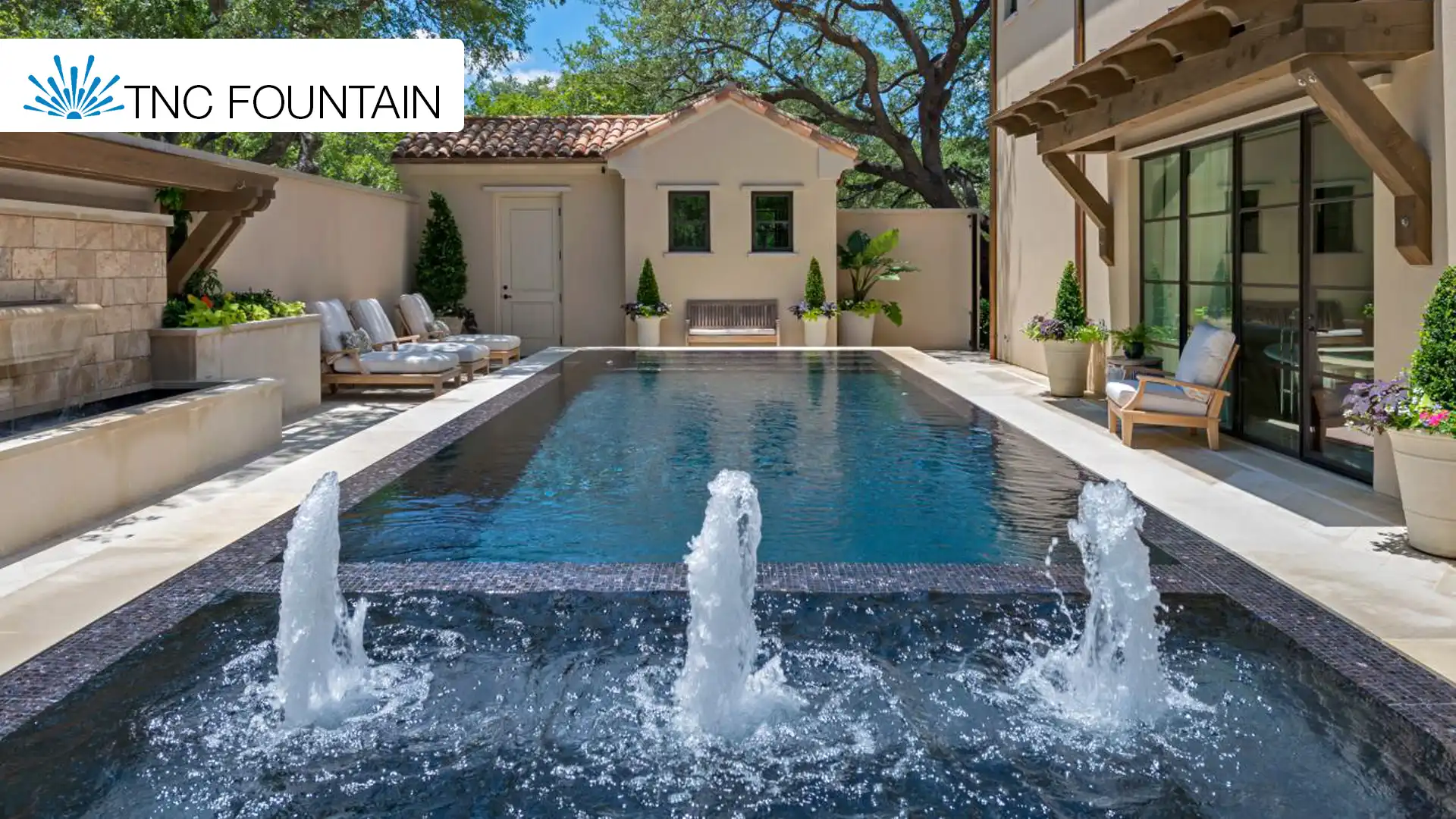
Implementing large-scale outdoor fountains involves navigating a complex array of environmental and structural obstacles that fundamentally differ from interior water feature installations. Business owners and facility managers considering such investments must comprehend the multifaceted challenges arising from direct exposure to climatic variability, including wind forces, solar radiation, particulate matter, and thermal cycling. The financial viability of these projects depends critically on strategic planning, specialized engineering knowledge, and implementation of proven technical solutions that ensure sustained performance and extended asset longevity.
Environmental Factors Affecting Fountain Performance
Wind Dynamics and Water Dispersion
Atmospheric wind patterns present one of the most significant operational challenges for outdoor fountains. Sustained wind velocities can fundamentally alter hydraulic trajectories, causing unintended water spray distribution and diminishing the intended aesthetic presentation. This phenomenon directly impacts visitor experience and increases unproductive water loss beyond the fountain perimeter.
Contemporary engineering solutions incorporate sophisticated wind-resistant nozzle geometries that maintain coherent water streams under variable atmospheric conditions. Advanced installations integrate real-time meteorological sensors that continuously monitor wind velocity and automatically modulate pump pressure to preserve visual integrity during gusty periods. This adaptive control methodology ensures consistent performance while optimizing energy consumption.
Water Conservation in Arid Climates
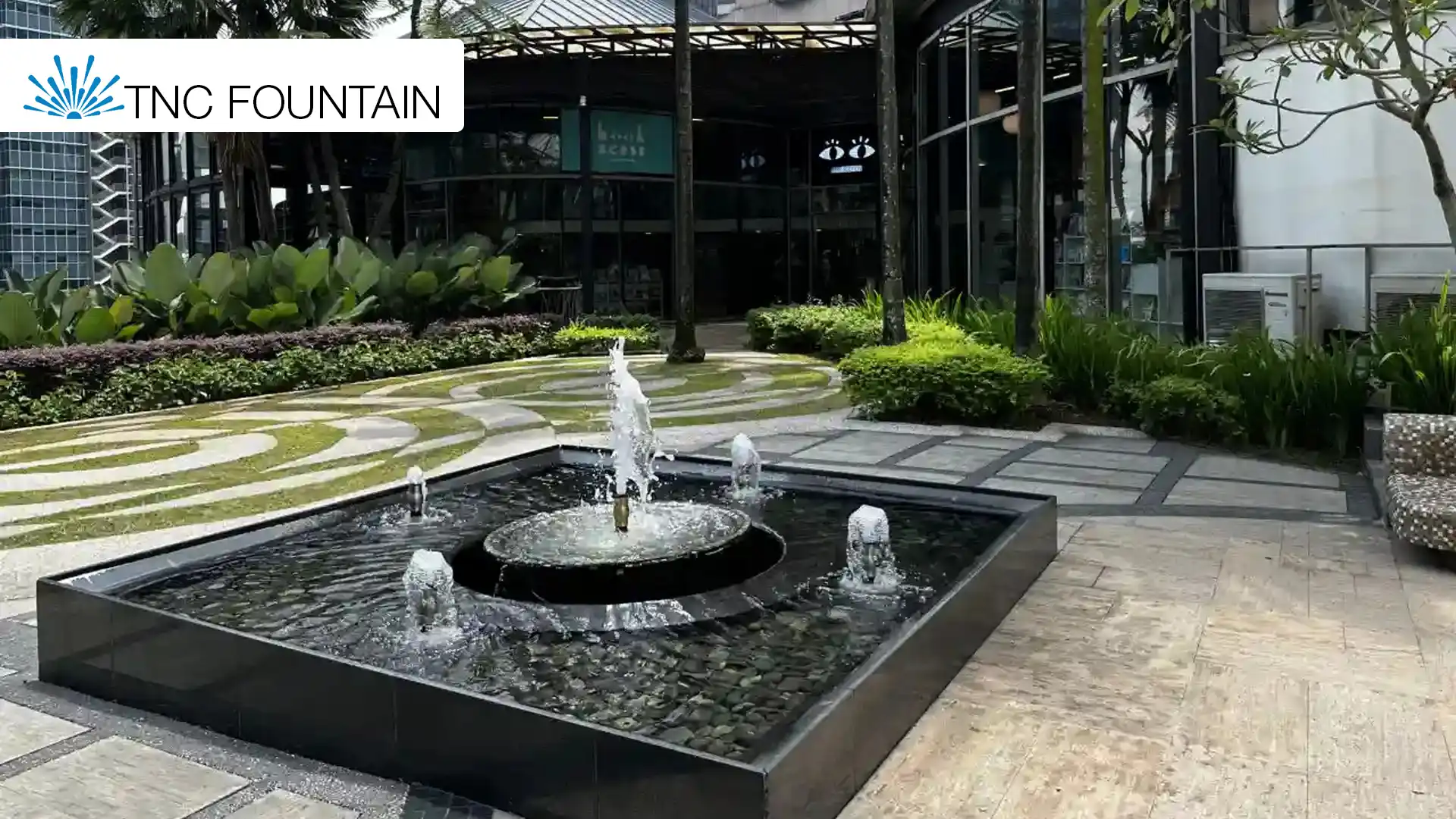
Facilities located in hot, arid environments face substantial operational costs due to accelerated evaporation rates. In regions such as the Middle East, daily evaporative losses can reach 5-8 liters per square meter of water surface area, creating significant economic burden for commercial properties.
Strategic water management solutions include:
- Closed-loop recirculation systems with multi-stage filtration
- Covered reservoir designs minimizing direct solar exposure
- Smart monitoring platforms tracking water levels in real-time
- Automated replenishment systems preventing pump cavitation
- Evaporation-reducing surface treatments and chemical additives
These integrated approaches can reduce operational water consumption by 40-60% compared to traditional open-system designs, substantially lowering utility expenses over the installation’s lifecycle.
Particulate Contamination Management
Airborne dust, pollen, and organic debris pose continuous threats to mechanical components in outdoor fountains. Without proper protective measures, particulate accumulation causes progressive degradation of pump efficiency, filter clogging, and nozzle obstruction. These issues translate directly into increased maintenance frequency and premature equipment failure.
Comprehensive filtration architectures typically employ multi-barrier protection: coarse screens removing large debris, cartridge filters capturing medium particles, and fine mesh elements preventing nozzle blockage. Regular maintenance protocols specifying weekly inspection and monthly deep cleaning prevent performance deterioration and extend component service life.
Structural and Technical Engineering Requirements
Foundation Design and Load Distribution
The structural integrity of large water features begins with proper foundation engineering. Installations must support substantial static loads from water volume—often exceeding 50-100 tons for commercial-scale projects—plus dynamic forces from pump vibration and public interaction.
Geotechnical investigation precedes all major installations, with soil bearing capacity analysis determining required foundation depth and reinforcement specifications. Engineers typically design reinforced concrete bases with integrated steel frameworks, ensuring dimensional stability across seasonal ground movement and preventing differential settling that could compromise waterproofing systems.
Material Selection for Longevity
Corrosion resistance represents a critical material selection criterion for components in continuous water contact. Standard carbon steel experiences rapid degradation in aqueous environments, necessitating superior alternatives.
Premium material specifications include:
- Type 304 or 316 stainless steel for all wetted metallic components
- Marine-grade aluminum alloys for structural framework elements
- Polymer-modified concrete with enhanced impermeability
- Epoxy-based protective coatings on reinforced concrete surfaces
- UV-stabilized synthetic materials for decorative elements
While initial material costs may be 30-50% higher than conventional options, total cost of ownership analysis demonstrates substantial savings through eliminated replacement cycles and reduced maintenance interventions.
Electrical Safety in Wet Environments
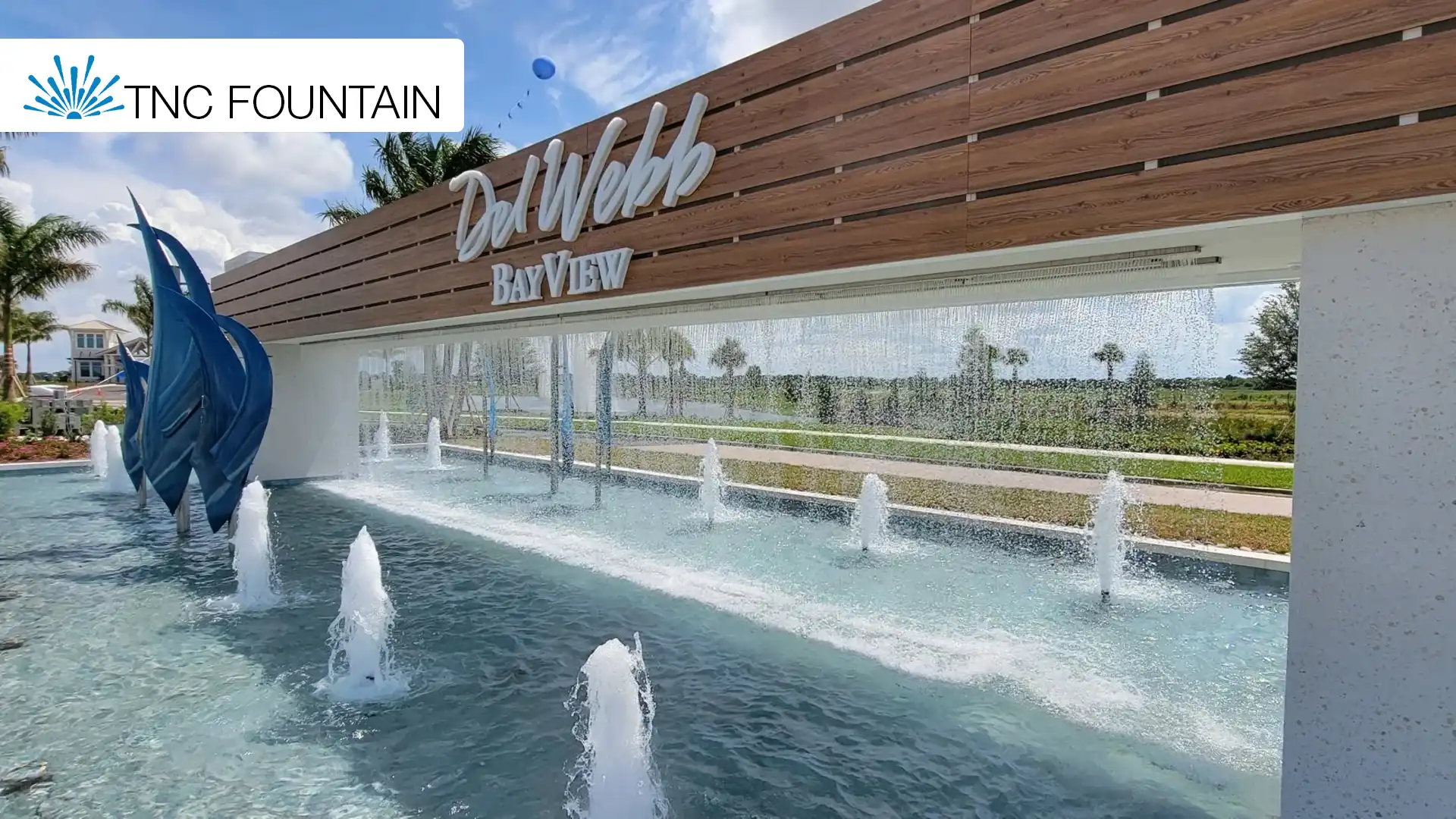
Electrical infrastructure supporting outdoor fountains must adhere to stringent safety standards given the inherent hazards of combining water with power systems. All submersible components require IP68 ingress protection ratings, ensuring complete impermeability under continuous immersion conditions.
Ground fault protection represents mandatory safeguarding for all electrical circuits serving water features. GFCI (Ground Fault Circuit Interrupter) devices detect minute current leakage and instantaneously disconnect power, preventing electrical shock hazards. Control panels must be located in weatherproof enclosures with proper ventilation preventing condensation accumulation.
Low-voltage LED lighting systems (12-24V) minimize risk compared to traditional line-voltage fixtures, providing equivalent illumination with significantly enhanced safety margins. Proper electrical isolation between control systems and public-accessible areas remains paramount in commercial installations.
Maintenance Accessibility and Operational Efficiency
Forward-thinking design incorporates maintenance considerations from the conceptual phase. Modular equipment architecture allows rapid component replacement without extensive system shutdown, minimizing revenue loss in commercial venues.
Access panels, removable grating, and adequate clearances around mechanical equipment facilitate routine inspections and preventive maintenance activities. Equipment rooms should provide sufficient space for technicians to work safely and efficiently, with proper lighting and ventilation. Strategic placement of isolation valves enables selective system shutdown for repairs without total drainage.
Real-World Application: Dubai Case Study
Several prominent installations in Dubai demonstrate successful integration of advanced technologies overcoming extreme environmental conditions. These systems employ automated self-cleaning cycles that periodically flush accumulation from filtration systems, weather-adaptive control algorithms that modify operation based on temperature and humidity, and remote monitoring platforms enabling predictive maintenance intervention before failures occur.
Conclusion: Successfully implementing large outdoor fountains requires comprehensive understanding of environmental stressors, strategic material selection, robust engineering design, and proactive maintenance planning to deliver reliable, visually compelling installations that justify their capital investment.