


Musical Fountain
UFO Fountain Package
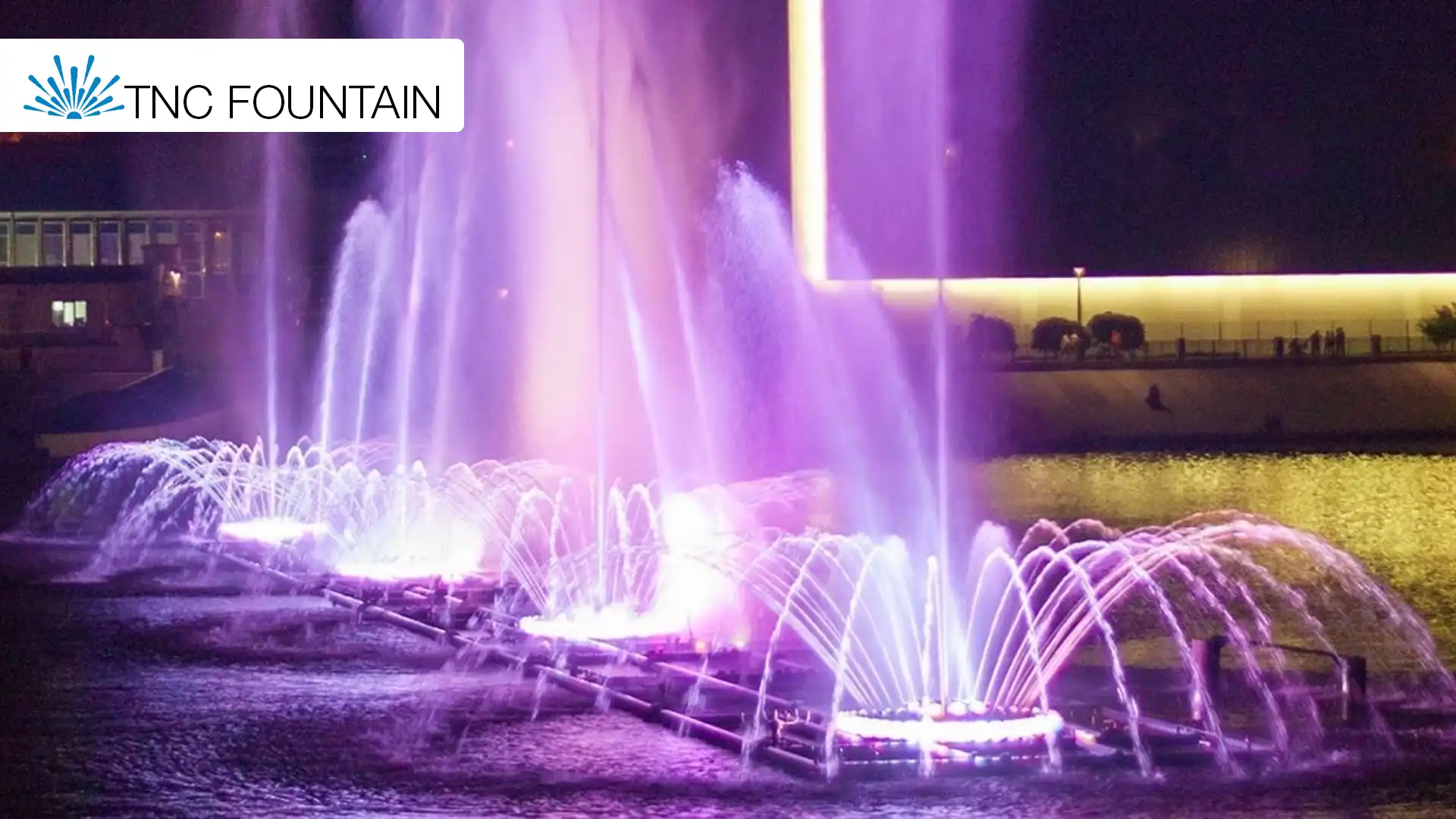
In this system, there is a circular structure containing mechanical arms. With movements along different axes and simultaneous control of the solenoid valves mounted on the nozzles, it permits the creation of three-dimensional patterns that float in space.
Waltzing Fountain Package
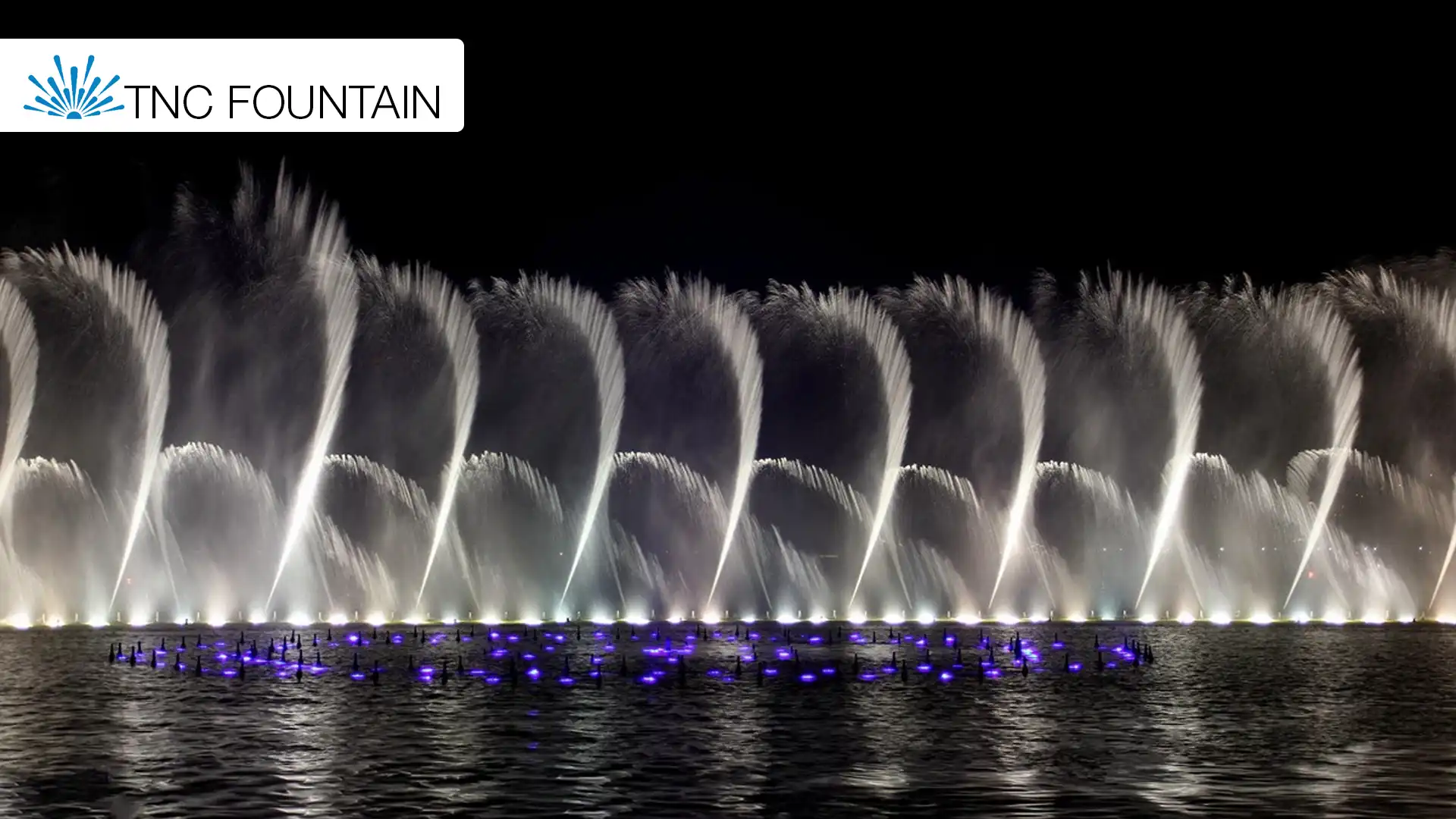
In this model, rotational and fluid movements are the main focus. With the availability of mechanical nozzles that are able to rotate and change the angle, the soft and dancing patterns are designed and, in most cases, appropriate for classical or tranquil music.
Chasing Jet Fountain Package
This system works by creating sequential, following jets of water. High-speed controllers and low latency response time solenoid valves allow the creation of fast, rhythmic, and exciting effects.
Key Components and Integrated Systems in a Musical Fountain
Successful integration is the core of any professional project. The integration has a couple of main sections:
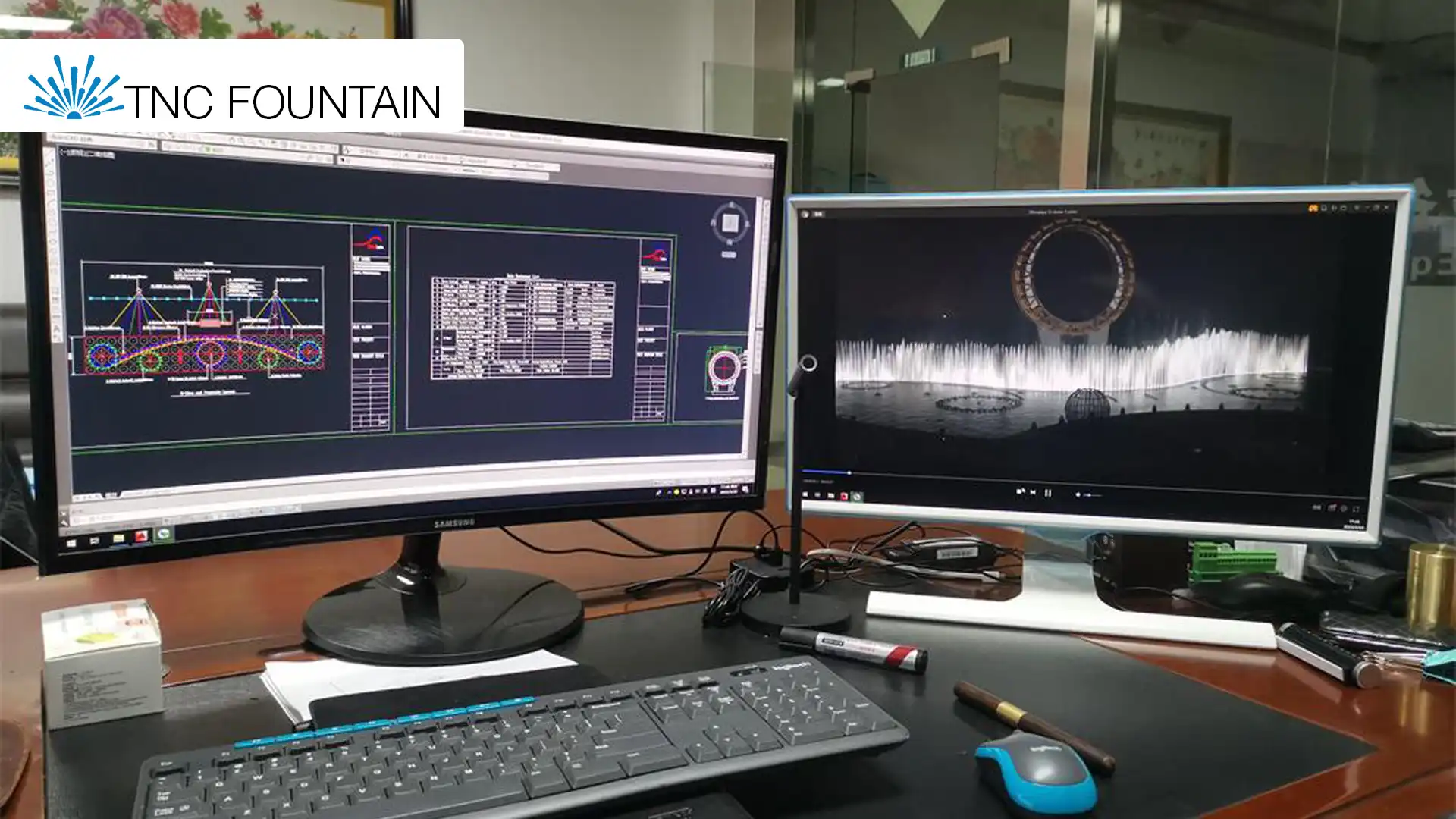
Systems Integration: The base performance of these structures relies on the highly precise synchronization of the hydraulic output of the nozzles with the parameters of intensity and color of a lighting system-usually based on the DMX protocol-and the frequency/rhythm analysis of a music piece, using specific software.
Specialized Nozzle Systems: Various types of solenoid valves and electromechanical motion fountain nozzles are used for instantaneous control in the parameters of height, angle, and the shape of the water output.
Central Control and Programmability (PLC/DMX): The dual usage of industrial controllers, PLC for the management of overall sequences and high-speed communication protocols like DMX for the real-time precise control of the solenoid valve, pump inverters, and lighting fixtures.
Is a rhythmic fountain the same as a musical fountain?
The short answer is no. A Rhythmic Fountain and a Musical Fountain are not exactly the same thing. While these two terms are often interchanged by the general public, from an engineering and technical viewpoint, they have fundamental differences. A Rhythmic Fountain is simpler and more economical, whereas a musical display system is regarded as a highly complex and premium-grade show system.
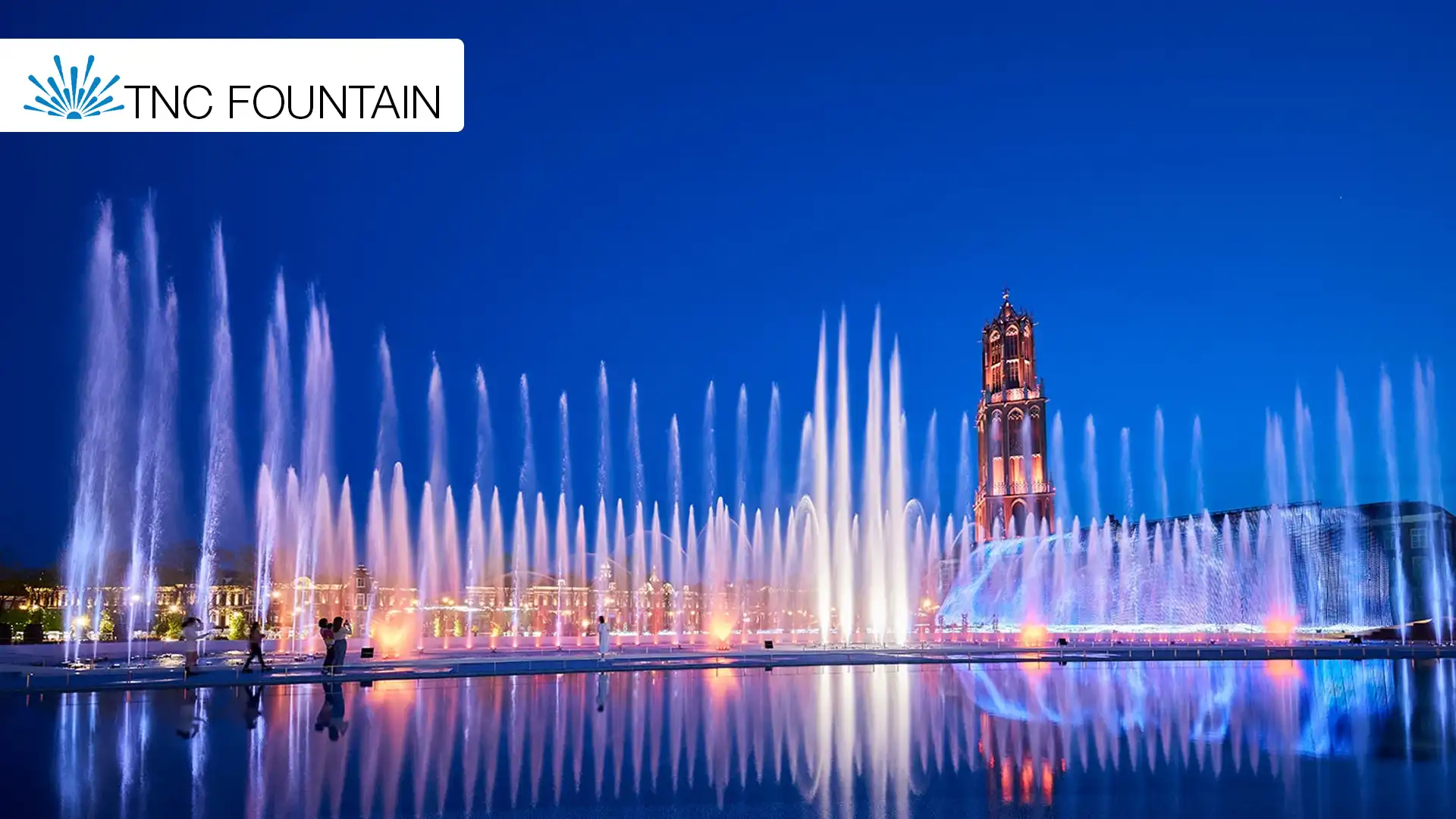
Rhythmic Fountain (or Dynamic/Programmatic Fountain)
A rhythmic fountain is one in which the movements of water, in relation to the lighting patterns, are performed according to a predetermined and repetitive basis.
Basis of Operation: This fountain does not follow music. A controller usually a PLC activates and deactivates it based on a fixed scenario, executing various effects.
Synchronization This fountain has "rhythm," but it is an internal, programmed rhythm. For example, it might run one particular pattern for 5 minutes, then the next pattern for 2 minutes.
Application: It is ideal for creating dynamism and visual appeal in spaces that do not require a stunning show but for which a static fountain is insufficient.
Technical Complexity: It is much less complex and does not typically need high-speed solenoid valves or advanced inverters for the pumps.
Types of Specialized Nozzles and Their Hydraulic Applications
Hollow Jet and Comet Nozzles: These nozzles are designed to create laminar flow and tall, transparent columns of water. They are the main elements in creating rhythmic beats and vertical lines in a design.
The foam or frothy nozzle provides a voluminous, white, and aerated output by combining air and water. It is perfect for producing soft textures and extensive visual effects, consuming less water.
Mist Nozzle: This is used to atomize water into very fine particles to produce a cloud-like fog effect. It will often be deployed to create an atmospheric ambiance and as a surface for light or laser projections.
Engineering Design Principles and Pre-Execution Considerations
The proper implementation of a Musical Fountain or rhythmic project demands a review of some essential technical parameters: Site and environmental analysis includes determination of prevailing wind direction, as some pesticides might be blown off; inlet water quality, which is usually critical for designing the filtration system; and the electrical and mechanical infrastructure. Control System Architecture: identification of the proper control protocol (DMX for speed, PLC for stability), design of user interface software, and programming of various show scenarios.
Hydraulic System Design: Accurate sizing of pumps is required, considering head and flow in accordance with the needs, designing of filtration system to avoid nozzle clogging, and calculation of pressure loss along the piping network. A budget and LCC analysis, besides the CAPEX for its construction, should include the operations costs (OPEX) such as energy consumption, regular maintenance and repairs, and water consumption.
Key Challenges in the Design and Implementation Phase
Systems Integration Complexity: Ensuring perfect, low-latency behavior among software, controllers, electrical drivers, solenoid valves, and pumps is the most important technical challenge for the entire project and requires careful on-site calibration.
Reliability and Maintenance: There is constant exposure to water and chemicals. The use of corrosion-resistant materials, such as Stainless Steel 316; electrical components with a high rating of protection, such as IP68; and a design based on easy access for repairs is very important. Water Quality Management: Without a proper filtration and disinfection system, biological growth in water will rapidly result in algae formation, nozzle clogging, and low clarity, greatly lowering the performance of the entire system.
Expert Consultation: From Concept to Reality
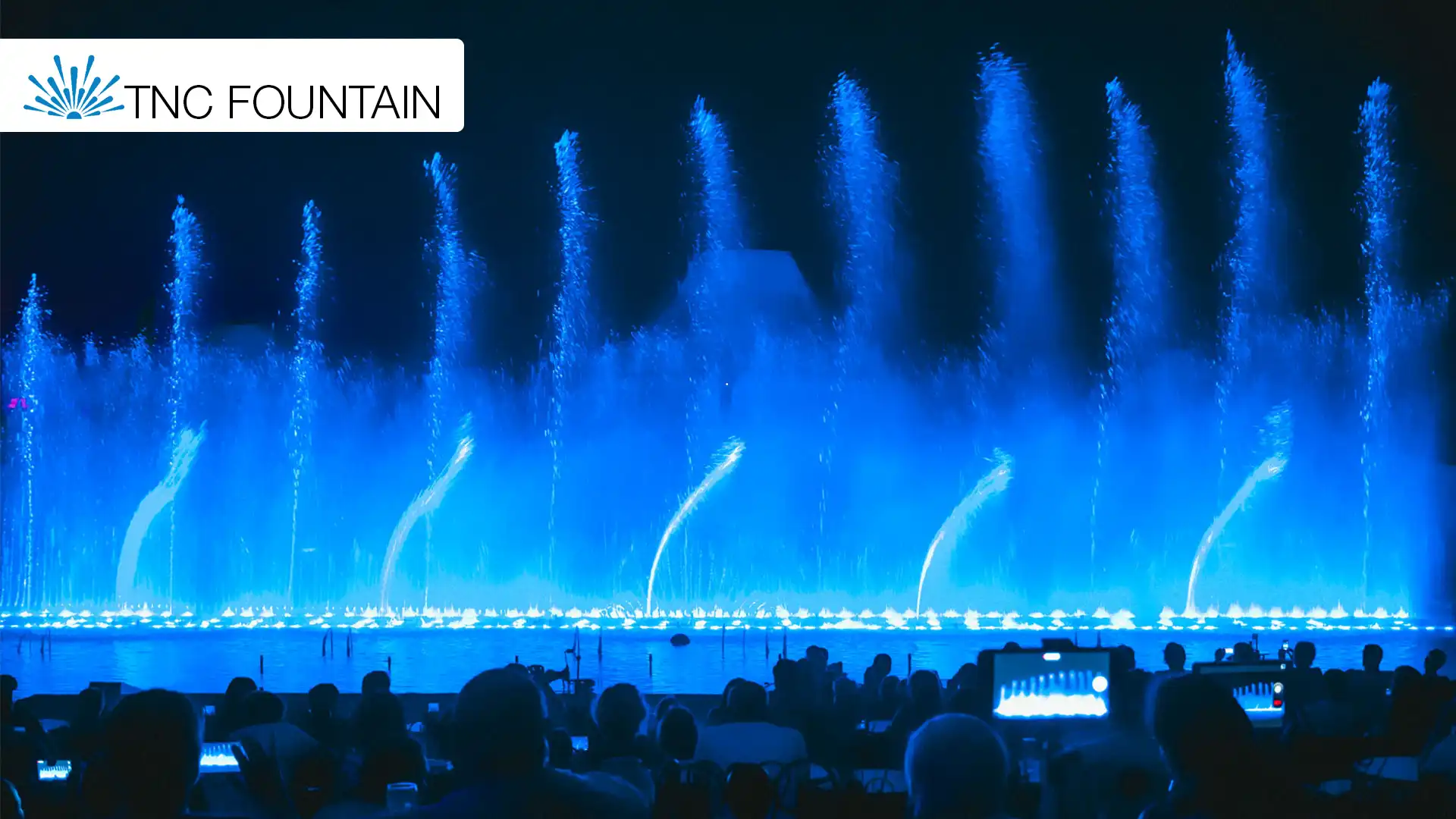
Creating complex fountains requires technical knowledge, experience in execution, and deep art and architecture knowledge. Backed by our specific engineering team and experience in large-scale projects, TNC Fountain is ready to offer comprehensive services in the design, supply, and implementation of musical fountains. If you need specialized technical consultation, an initial design review, or to attain your project's specific engineering solutions, please contact us.