


Aqua Jet Nozzle
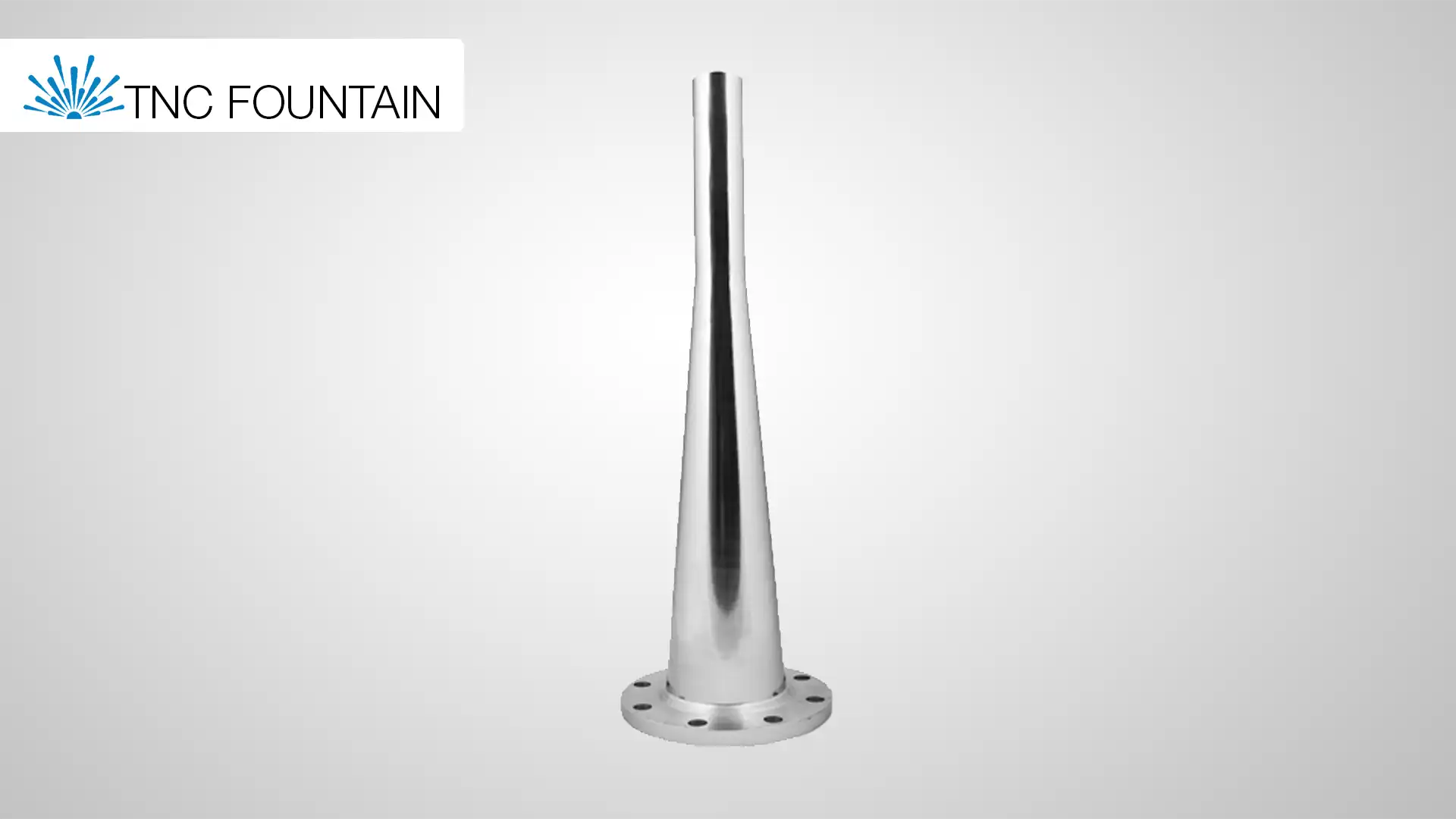
Technical advantages of the Aquajet nozzle:
Capable of focused water jets up to high altitudes. Aquajet nozzles come in different sizes, each capable of shooting water to different heights.
The aerodynamic design of this nozzle allows the water to stay unified and not break apart or splash after leaving the nozzle, even at high altitudes.
The unified water column created by the Aquajet nozzle also makes lighting look completely uniform, creating a stunning and magnificent display of water and light.
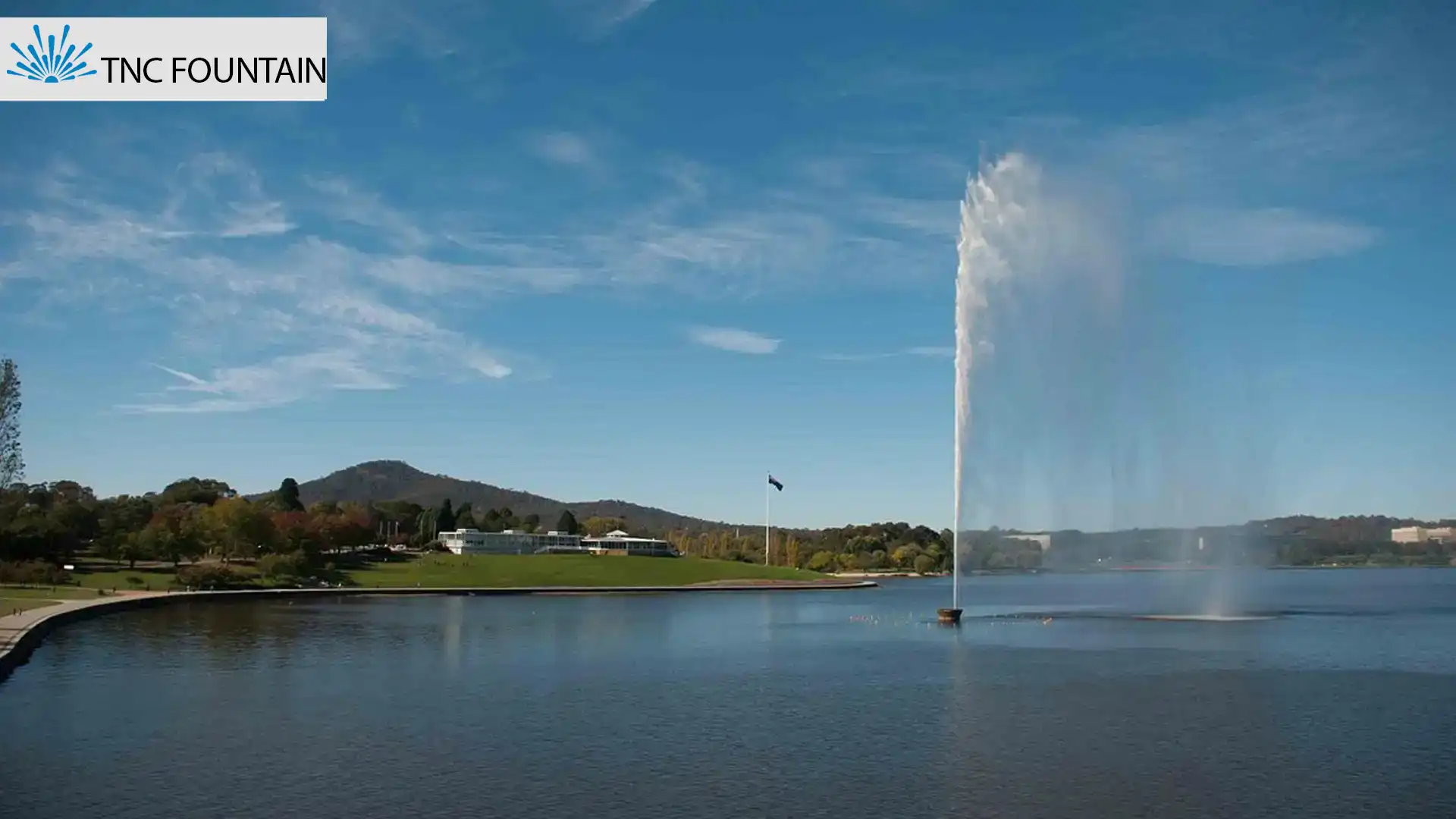
Technical specifications of the Aquajet nozzle to consider:
Architects and facility engineers planning to use this nozzle in their designs and projects should consider these hydraulic specifications:
The inlet diameter of the Aquajet nozzle is usually between 1 and 3 inches. For special projects requiring very high altitudes, or for example, high-altitude fountains in the sea, custom and larger sizes can also be manufactured.
The right pressure for vertical jets above 20 meters is up to 10 bar.
The output flow rate of this nozzle can supply up to 200 liters per minute or more, which can achieve heights above 20 meters. In larger sizes, heights of 100 meters or more can also be achieved.
The material used in manufacturing this nozzle is very important. It’s best to use stainless steel for the nozzle. Nozzles are made from 304 stainless steel for freshwater and 316 stainless steel for saltwater.
Economic and optimal uses of the Aquajet nozzle:
Its high altitude capability and the clarity of its water column make the Aquajet nozzle a versatile and practical choice for high-profile fountains.
This nozzle, with its ability to attract attention and create busy focal points in urban projects and squares, is an excellent choice for adding value to any space.
The Aquajet nozzle has a very high attention-grabbing ability. Therefore, in large commercial centers and at entrances, it can have strong advertising value.
In large musical fountains, this nozzle can be installed at the center point to act as the main element, delivering excitement and grandeur to the viewer through sudden solo performances.
With its high aeration and oxygenation capability, the Aquajet nozzle plays an important role in purifying the water in the basin or lake.
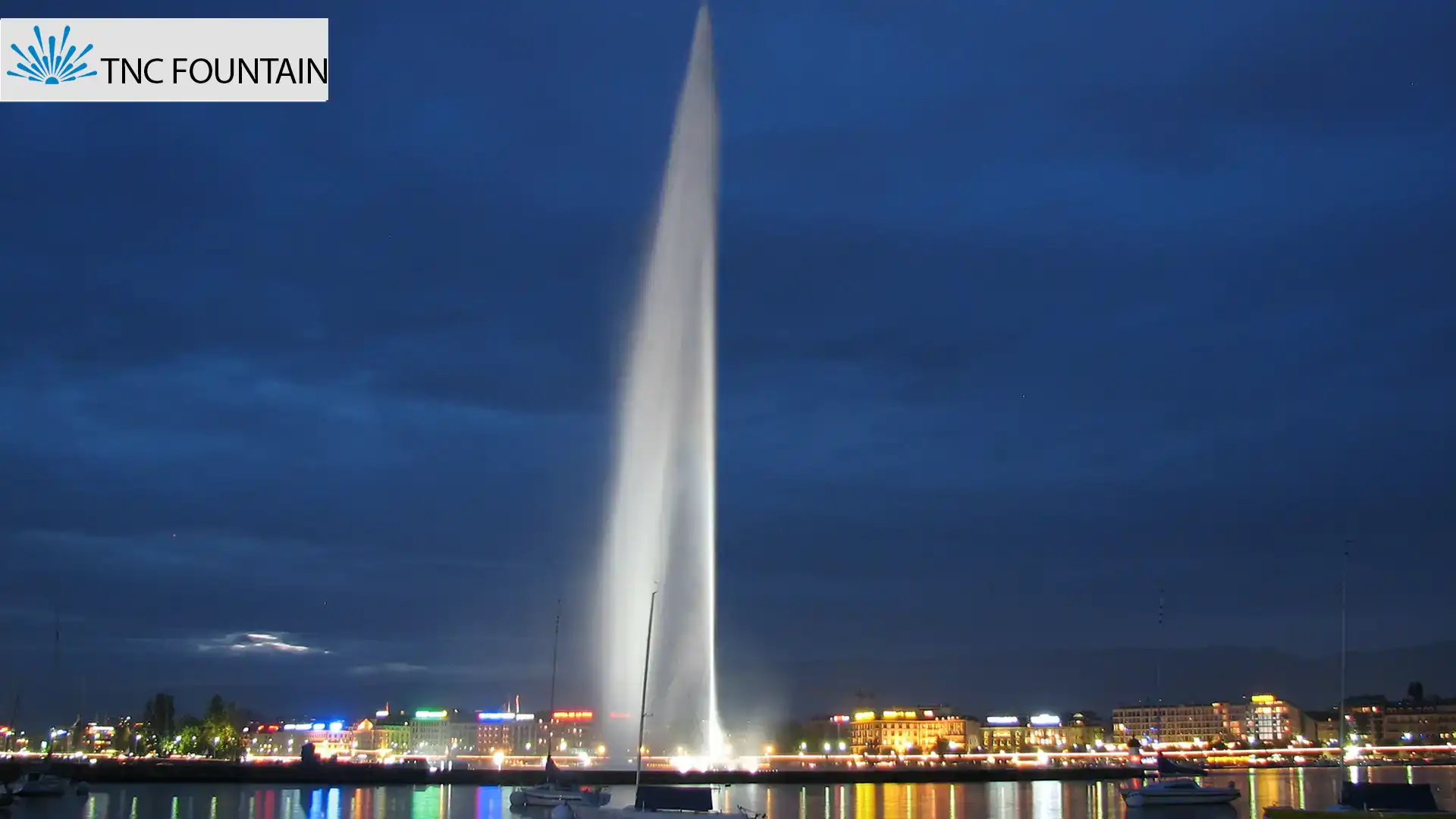
How to maintain water jet quality and clarity in the long term?
One of the important parameters for maintaining water quality and fountain clarity is that engineers and designers should include professional filtration systems in their fountain designs. A standard filtration system removes suspended particles, algae, and sediment layers from the water. This also keeps the pump quality stable, preventing wear and tear. This way, the maximum efficiency of the Aquajet nozzle and the fountain can be maintained in the long term.