


Foam Fountain Nozzle
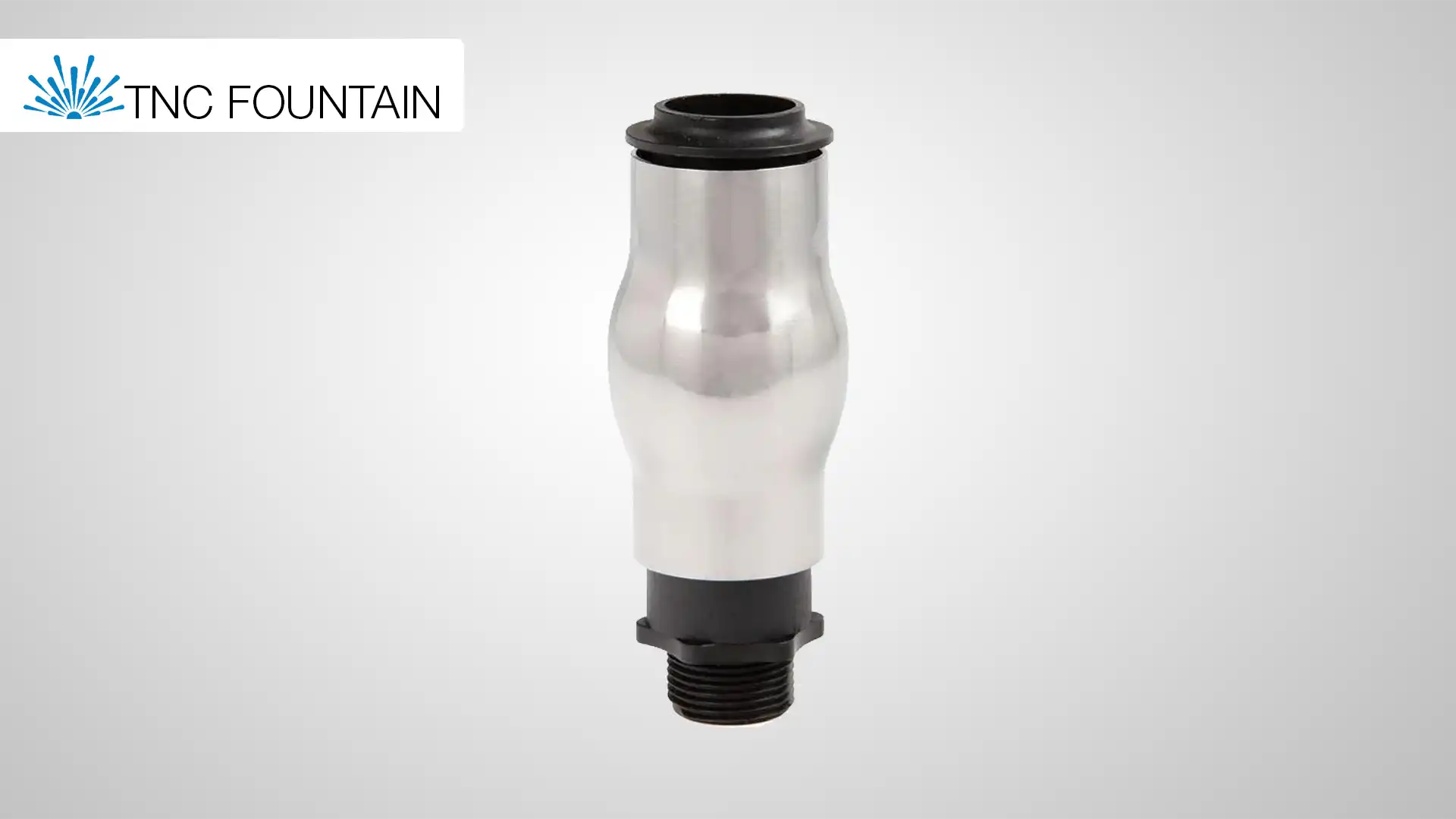
One of Foam Fountain Nozzle’s great technical advantages is that its performance is unaffected by the elevation of ambient water levels. Unlike many other types of fountain nozzles, which require a specific submergence depth for proper operation, the foam jet remains unaffected by fluctuating levels in the fountain basin. This degree of independence opens a world of design possibilities, allowing for the installation of these units in very shallow reflecting pools, tiered basins, or even dry deck fountains, where water is drained away into the sub-floor drainage system below.
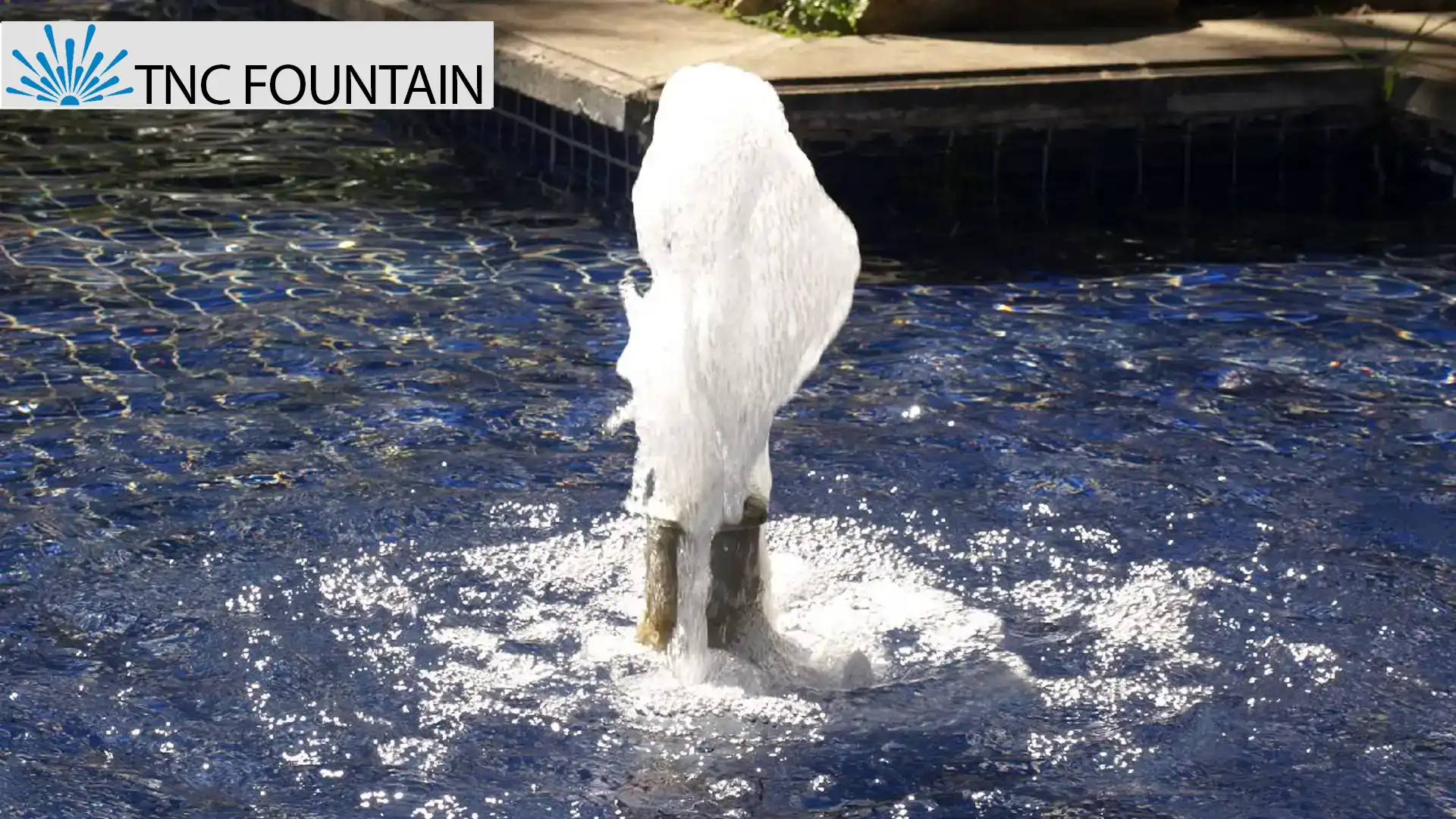
Why the Foam Fountain Nozzle Suits Constricted Urban Spaces?
The choice of hydraulic considerations is dependent on spatial and environmental constraints in the city. Some unique advantages come with the foam jet’s aeration:
Small Splash Diameter: Air mixed in with the water column means that it is less able to shatter when impacting the basin, thereby substantially reducing the splash zone. This makes it suitable for indoor lobbies or tight pedestrian walkways.
Immunity to Wind: The density of foam columns allows them to better withstand the effects of the wind as opposed to the clear-stream nozzles. This mass ensures that the water stays within the basin, where it is intended to be.
Surface for High-Impact Lighting: The opaque texture and white color of the foam create a perfect target for RGB LED lighting. The foam absorbs and scatters light rays while propagating radiant light from its surface, creating a glowing pillar of visible bright light from afar.
Natural Noise Masking: The soft sound of bubbling achieved during the fusion of air and water acts as a white-noise-like mechanism to cover heavy traffic sounds in public plazas.
Technical Specification and Hydraulic Performance Parameters
Specifications of the Foam Fountain Nozzle are, however, geared by a knowledge of pressure and flow. To attain the characteristic frothy texture, the pump must maintain flow consistently so that adequate aeration can take place within the nozzle housing.
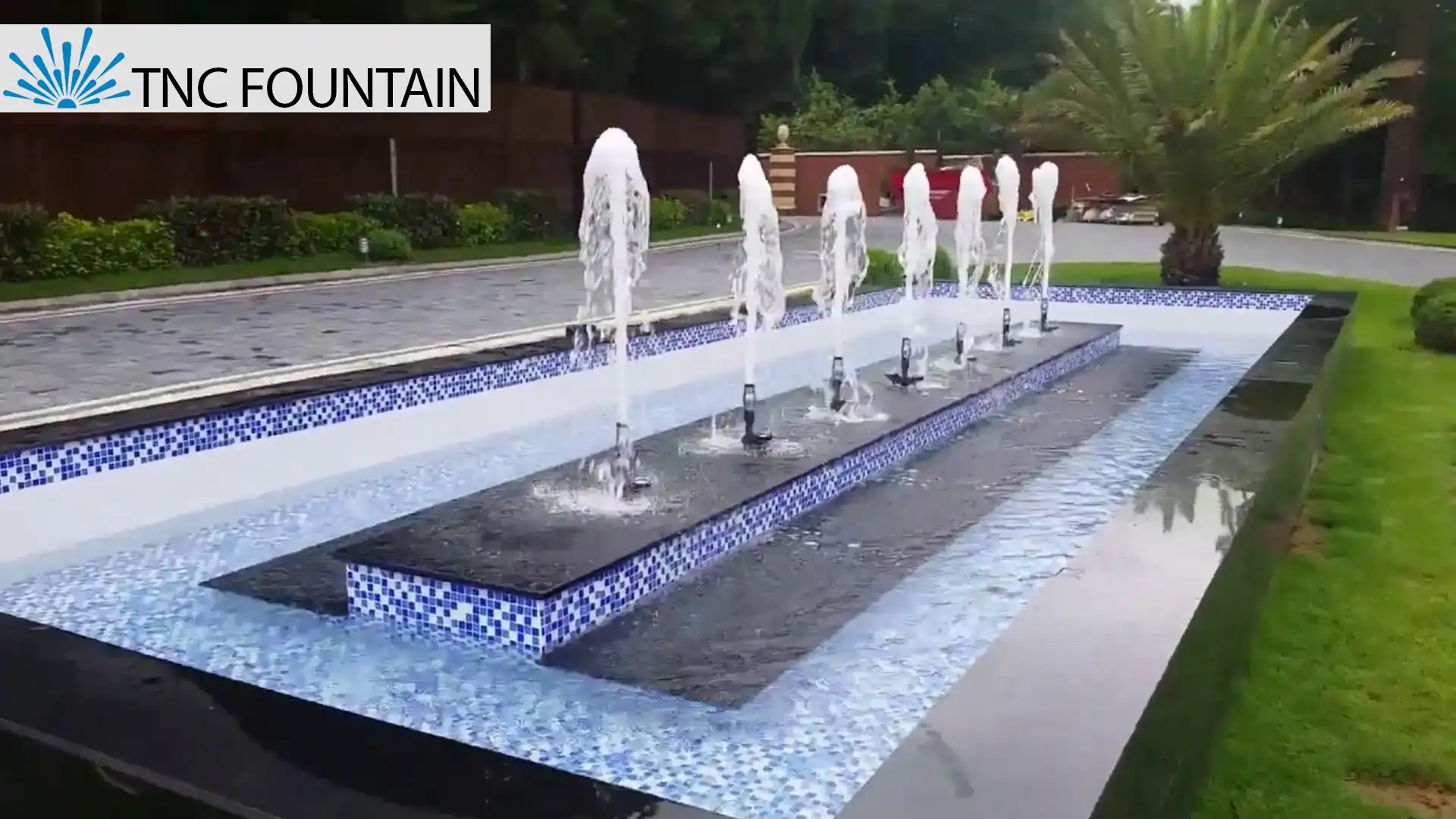
Does the Material Selection Affect the System Lifetime?
Material integrity is paramount in water feature engineering. Most professional-grade foam nozzles are made from the following alloys:
Stainless Steel (Grade 316): The literal standard for use in high-end projects. Grade 316 manifests great resistance to chloride pitting corrossion, which is necessary for fountains using saline chlorination systems.
Marine Brass: Good durability with an ageless aesthetic. It is highly resistant to corrosion, but extreme pH conditions may necessitate its coating with extra layers.
Nickel-Plated Bronze: Usually used for decorative work where surface hardness and mirror-like finish are required to blend modern architecture.
Typical Operating Data:
Inlet Diameter: Range from 1″ to 1.5″ for standard urban installs.
Working Pressure: Generally tuned to 1.0 to 2.5 bar to attain heights from 0.5m to 2.0m.
Volumetric Flow Rate: Somewhere between 8 to 25 liters/min depending on the thickness of the column required.
Strategic Integration in Multi-Sensory Architectural Projects
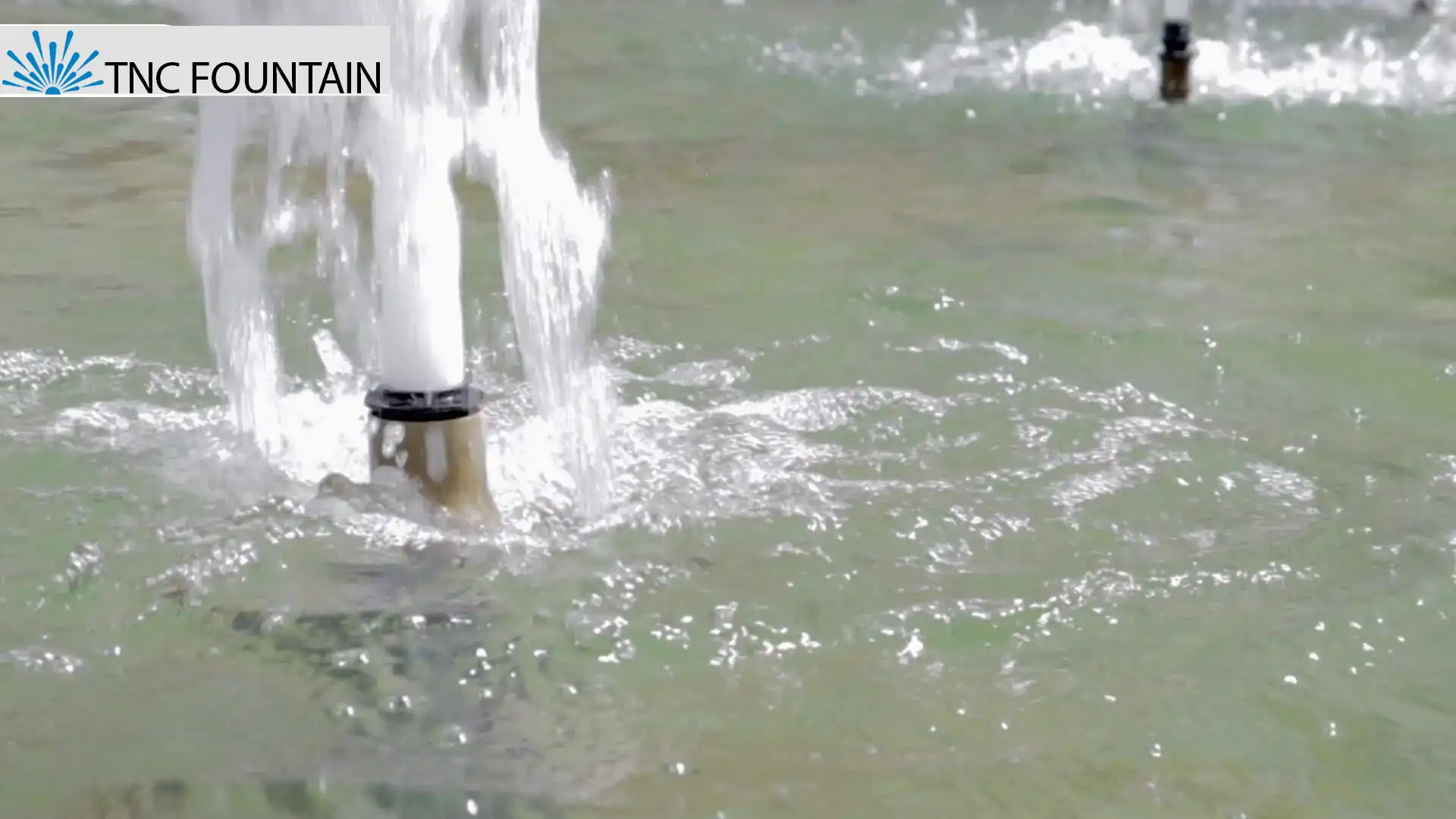
Beyond visual appeal, the Foam Fountain Nozzle also serves as a tool for creating immersive environments. When clustered together, multiple nozzles create a “forest” of foam that gives considerable sense of space to a landscape. This technique is applied often in musical water features that demand quick on/off responses of the aerated jet to achieve instant synchronization with rhythmic soundtracks.
Moreover, the aeration process quickly oxygenates the water. This offers the architect a functional benefit in an indoor application: oxygenated water prevents anaerobic bacteria and algae build-up, enhancing water clarity and reducing maintenance chemicals. Beauty and biological use come together like this in a rare way.
Installation and Maintenance Considerations
Foam Fountain Nozzles are rugged installations, but utmost diligence must be maintained to ensure that the internal aeration vanes are kept free from any debris that might impair the “snowy” effect. A common downfall during project execution is that people don’t specify a filtration scheme for the source water. Small particles can block the Venturi air inlet, resulting in the foam turning “watery” and losing its distinctive opacity. Hence, engineers should always specify secondary fine-mesh filter systems protecting the nozzle’s internal geometry.
The Foam Fountain Nozzles thus represent a rare blend of hydraulic science and artistic vision in that choosing any one of a myriad of fountain nozzle types guarantees the designer that their project will be breathtakingly beautiful, technically correct, and sustainable for yet more decades of incessant use.