


Architectural Excellence: Designing Transformative Water Features for Premium Environments
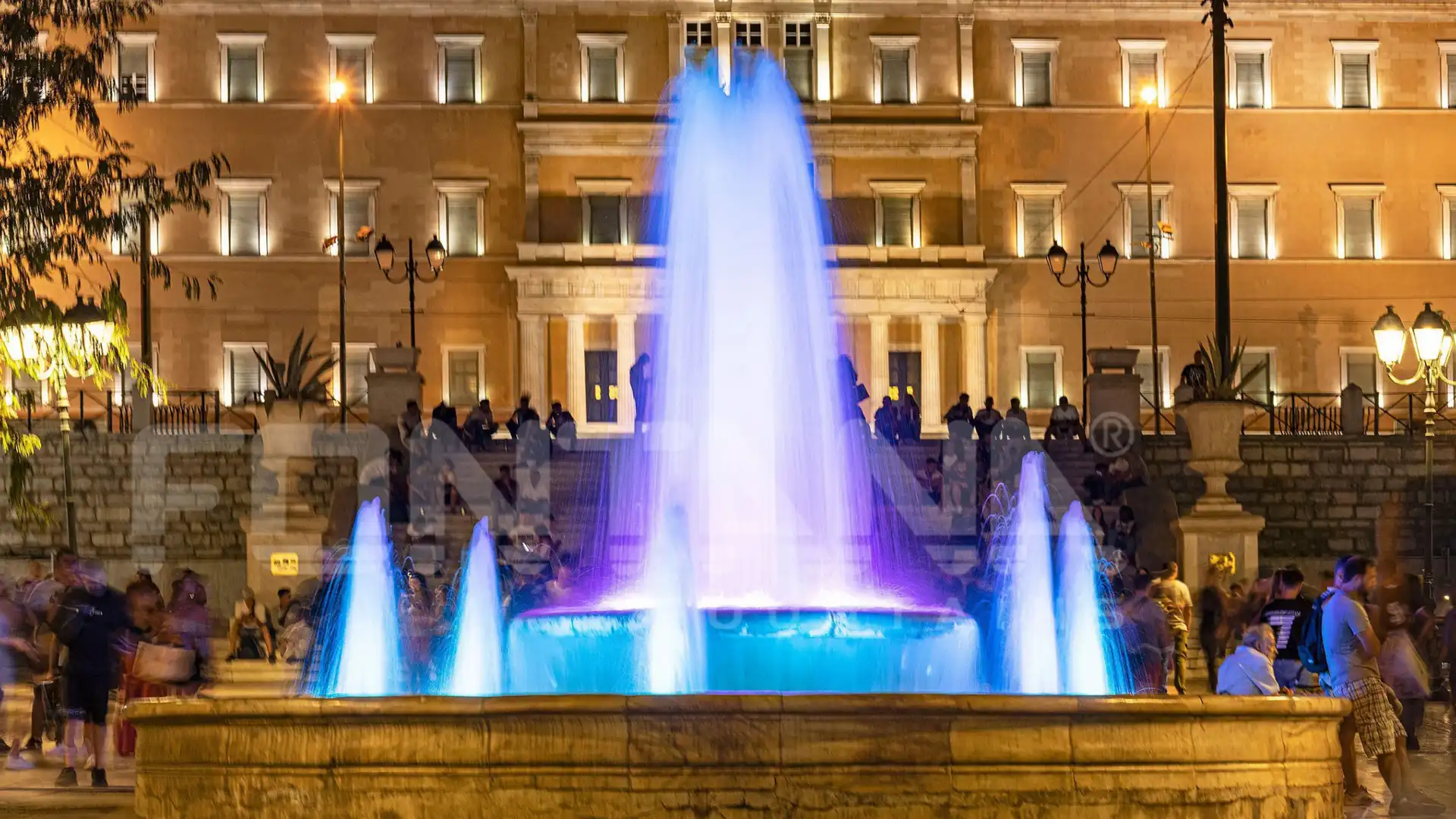
Water Features have functioned as defining architectural elements for millennia, representing cultural sophistication, technological advancement, and aesthetic ambition across civilizations. Within contemporary public spaces, metropolitan developments, and luxury hospitality environments, fountain architecture transcends mere visual decoration—it demands seamless integration of artistic vision, structural engineering precision, and environmental responsiveness to elevate experiential quality and spatial identity.
The Architectural Function of Water Features
Fountains establish visual hierarchy within plazas, municipal parks, and urban centers, functioning as magnetic gathering points that organize pedestrian circulation and social interaction. Their architectural expression must achieve delicate balance—harmonizing with surrounding built context while asserting sufficient presence to command attention and define spatial character. Designers evaluate proportional relationships, materiality palettes, and stylistic vocabularies to generate water features that simultaneously complement existing architectural language and communicate cultural narratives specific to their contexts.
Fundamental Design Principles
Professional fountain architecture relies upon carefully orchestrated design considerations that collectively determine installation success and longevity.
Formal Geometry and Spatial Composition: Fountain silhouettes establish immediate character recognition. Classical installations typically employ symmetrical geometries and Euclidean proportions reflecting historical architectural traditions, while contemporary water features increasingly embrace asymmetrical configurations and biomorphic forms inspired by natural hydrological phenomena like rivers, waterfalls, and ocean waves.
Material Specification and Durability: Material selection fundamentally impacts both structural performance and aesthetic expression. Premium installations specify granite for sculptural permanence, marine-grade stainless steel for corrosion resistance, tempered glass for transparency effects, and high-performance concrete composites engineered against freeze-thaw cycling and chemical exposure. Material decisions influence maintenance requirements, lifecycle costs, and visual aging characteristics across decades of operation.
Hydraulic Choreography and Water Dynamics: The kinetic vocabulary of water movement generates emotional resonance and visual drama. Designers manipulate hydraulic pressure parameters, nozzle configurations, and timing sequences to orchestrate diverse effects—from delicate misting clouds providing evaporative cooling to powerful vertical jets achieving dramatic heights exceeding thirty meters. Water Features in musical fountain applications additionally synchronize hydraulic sequences with audio compositions, transforming static installations into dynamic performances.
Contextual Integration and Experiential Design: Successful water features exist within comprehensive landscape architectures incorporating vegetation design, ambient illumination systems, seating infrastructure, and pedestrian circulation networks. Thoughtful spatial planning encourages prolonged visitor engagement, social congregation, and multisensory immersion beyond passive observation.
Design Challenges in Premium Installations
Developing water features for luxury hospitality properties and high-visibility urban locations presents distinct professional challenges demanding specialized expertise:
- Aesthetic-Functional Balance: Installations must satisfy rigorous visual standards while maintaining operational reliability, minimizing maintenance burdens, and achieving sustainable resource consumption targets
- Climate Adaptation: Arid environments characteristic of Middle Eastern and desert regions experience extreme evaporative losses requiring advanced water recycling infrastructure, automated replenishment systems, and chemical treatment protocols preventing algae proliferation under intense solar exposure
- Public Safety Integration: High-traffic installations necessitate comprehensive risk mitigation—including slip-resistant decking surfaces, perimeter barriers preventing accidental water entry, and electrical systems meeting stringent aquatic environment safety codes protecting both visitors and maintenance personnel
- Acoustic Considerations: Water noise generation requires careful management—desirable in some contexts for masking urban sound pollution, potentially problematic in others where conversational intelligibility matters
Landmark Architectural Examples
Several globally recognized installations demonstrate design excellence across different programmatic contexts and cultural settings.
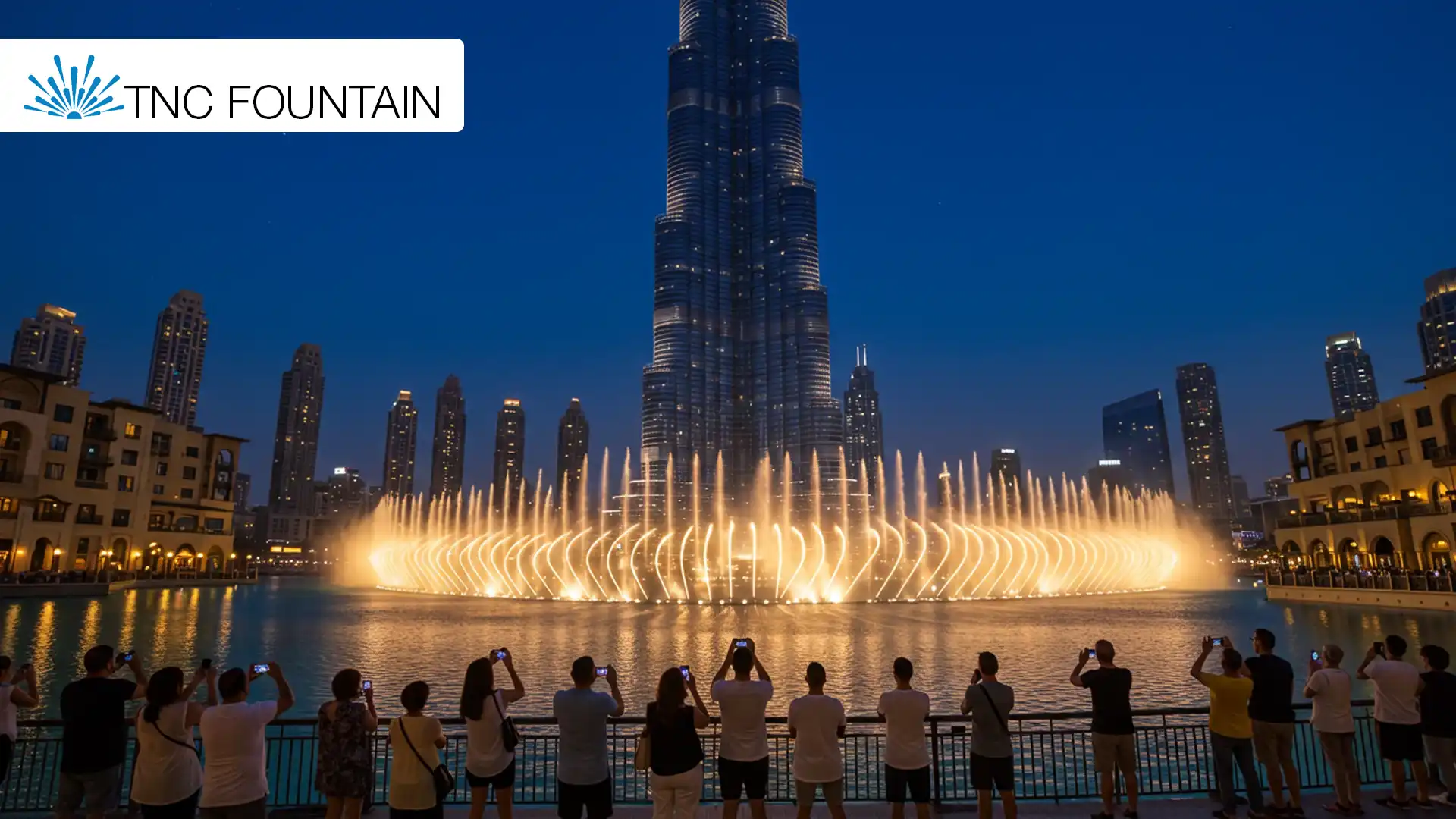
The Dubai Fountain positioned within Downtown Dubai represents contemporary luxury water feature design at monumental scale. Its sophisticated choreographic system integrates precision hydraulics, programmable LED arrays, and multichannel audio infrastructure to deliver nightly performances visible across several kilometers, establishing the installation as Dubai’s signature architectural landmark.
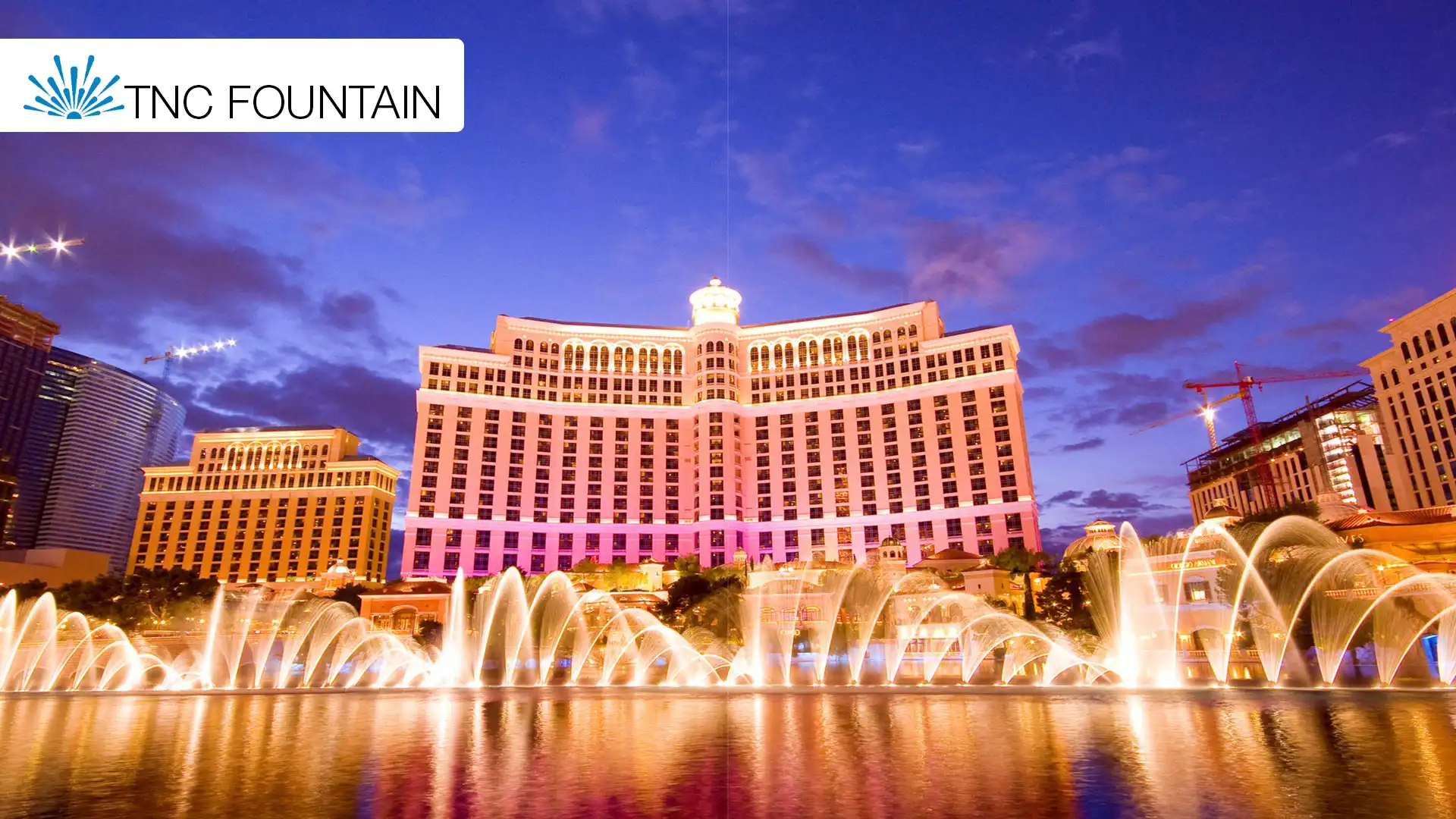
The Bellagio Fountains in Las Vegas exemplify theatrical water features engineered for entertainment-district contexts. Over 1,200 individual nozzles generate choreographed sequences synchronized with popular musical compositions, attracting millions of visitors annually while generating measurable commercial returns for surrounding casino and retail properties.
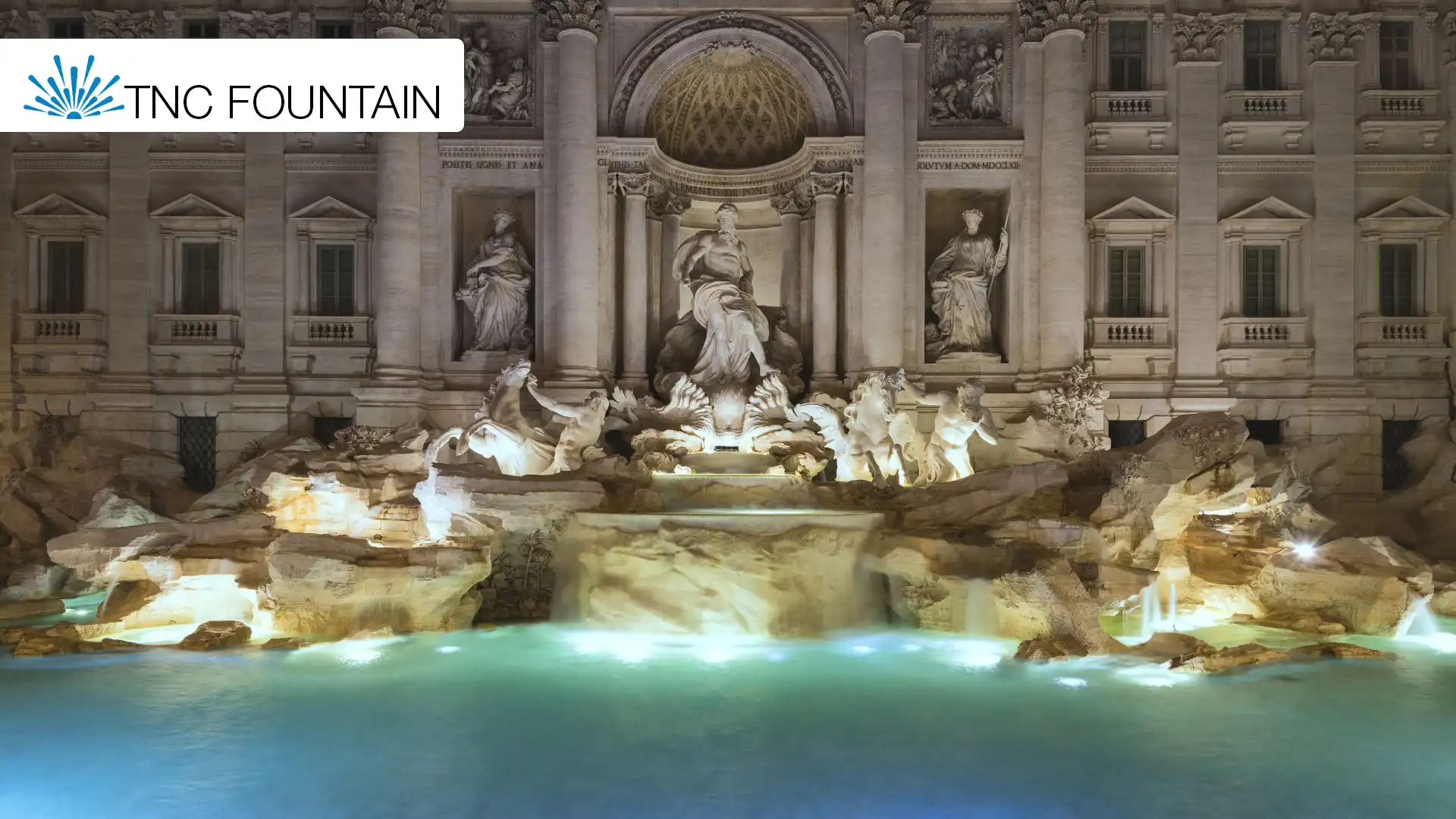
The Trevi Fountain in Rome demonstrates enduring historical architecture where Baroque sculptural tradition merges with symbolic water imagery, creating cultural monuments that transcend functional purpose to embody civic identity across centuries.
Emerging Design Trajectories
Contemporary water feature architecture increasingly incorporates digital technologies, sustainable methodologies, and participatory design strategies. Interactive installations respond to visitor movements through sensor arrays, programmable lighting systems adapt color palettes to seasonal events or real-time data feeds, and water recycling infrastructure achieves near-zero freshwater consumption rates. Designers pursue immersive multisensory experiences engaging visual, auditory, and tactile perception simultaneously, merging timeless aesthetic principles with innovative technical capabilities.
Water Features continue defining architectural identity and experiential quality across premium public and private developments worldwide, demonstrating that thoughtfully designed fountain installations remain culturally relevant and commercially valuable in contemporary built environments.