


Water Quality Management in Large Fountain Systems
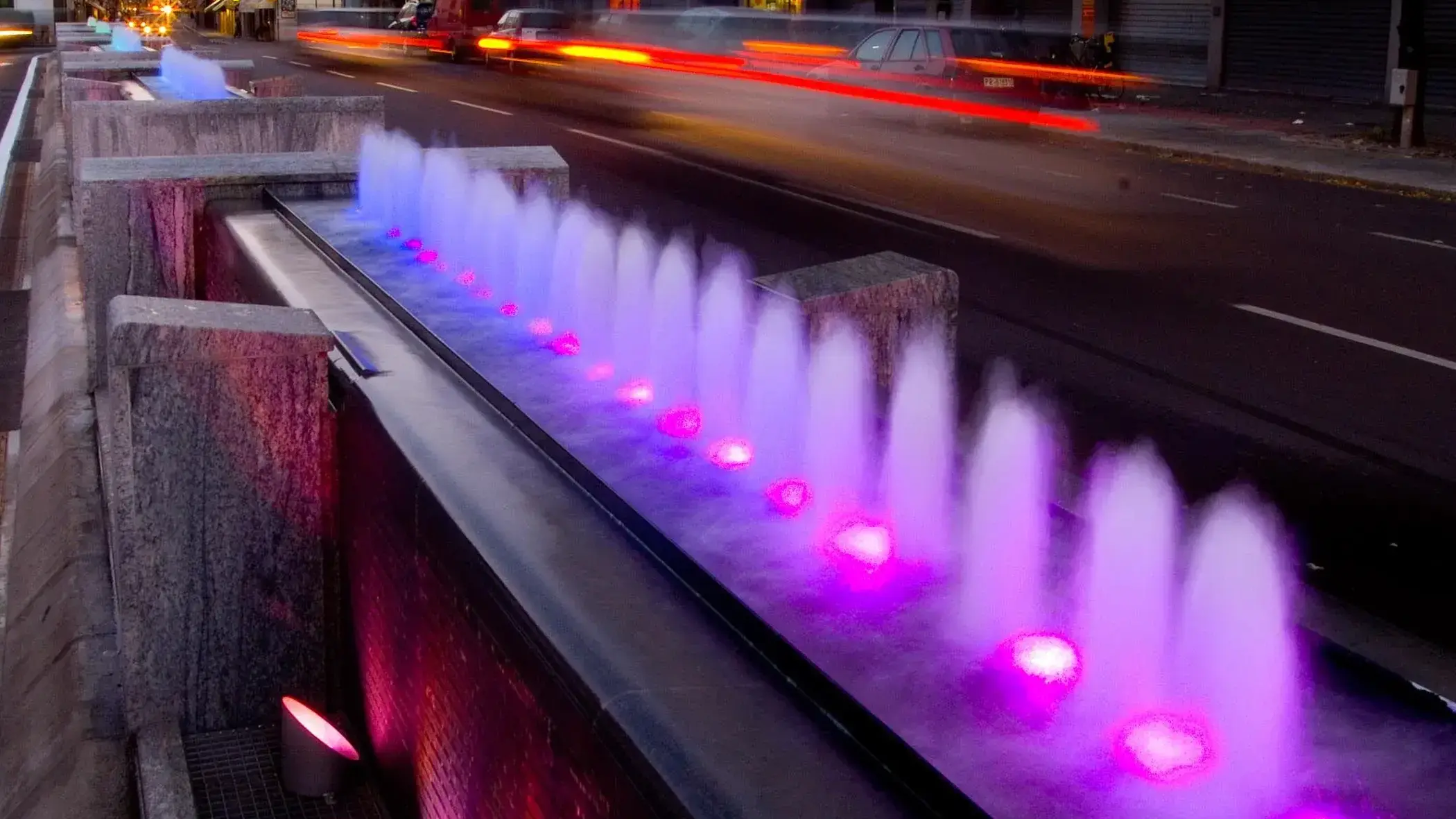
Water Quality Management in Large Fountain installations represents a critical engineering challenge that extends far beyond surface-level aesthetics. Professional fountain systems demand sophisticated treatment protocols to maintain operational integrity, protect substantial equipment investments, and deliver consistent visual performance. Without strategic water management, installations face accelerated deterioration, biological contamination, and catastrophic system failures that compromise both safety standards and functional longevity.
The Critical Importance of Water Treatment
Large-scale fountain environments recirculate massive volumes—often exceeding tens of thousands of liters—creating unique maintenance challenges. Untreated recirculating water rapidly transforms into contaminated ecosystems harboring harmful microorganisms, invasive algae colonies, and disease-carrying insect populations. These biological threats fundamentally undermine installation integrity while creating genuine public health concerns.
Strategic water quality protocols deliver measurable operational advantages:
- Equipment Protection: Prevents destructive clogging in precision pumps, Fountain Nozzles, and distribution networks
- Component Longevity: Shields expensive mechanical systems, LED arrays, and control electronics from chemical degradation
- User Experience: Guarantees pristine visual clarity and eliminates offensive odors affecting visitor satisfaction
- Regulatory Compliance: Maintains health department standards for public water features
Essential Treatment Infrastructure
Professional fountain operations integrate multiple purification technologies working synergistically. Mechanical filtration forms the foundation, with industrial sand filters and multi-stage cartridge systems extracting particulate contamination from leaves, atmospheric dust, and environmental debris. These physical barriers protect downstream components while maintaining baseline clarity.
Chemical disinfection employs chlorination or bromination protocols calibrated to eliminate pathogenic bacteria and suppress algae proliferation. Environmentally sensitive installations increasingly adopt advanced ozone generation or ultraviolet sterilization systems that achieve comparable microbial control without introducing reactive chemicals into aquatic environments.
pH regulation systems maintain precise alkalinity parameters—typically 7.2 to 7.8—preventing both scaling deposits that obstruct flow paths and corrosive conditions that attack metal infrastructure. Specialized algaecides and clarifying agents supplement primary treatment during seasonal challenges or exceptional contamination events.
Modern installations leverage automated monitoring platforms equipped with real-time sensors measuring conductivity, turbidity, oxidation-reduction potential, and temperature parameters. Intelligent controllers adjust treatment dosing dynamically, optimizing chemical efficiency while preventing operator error.
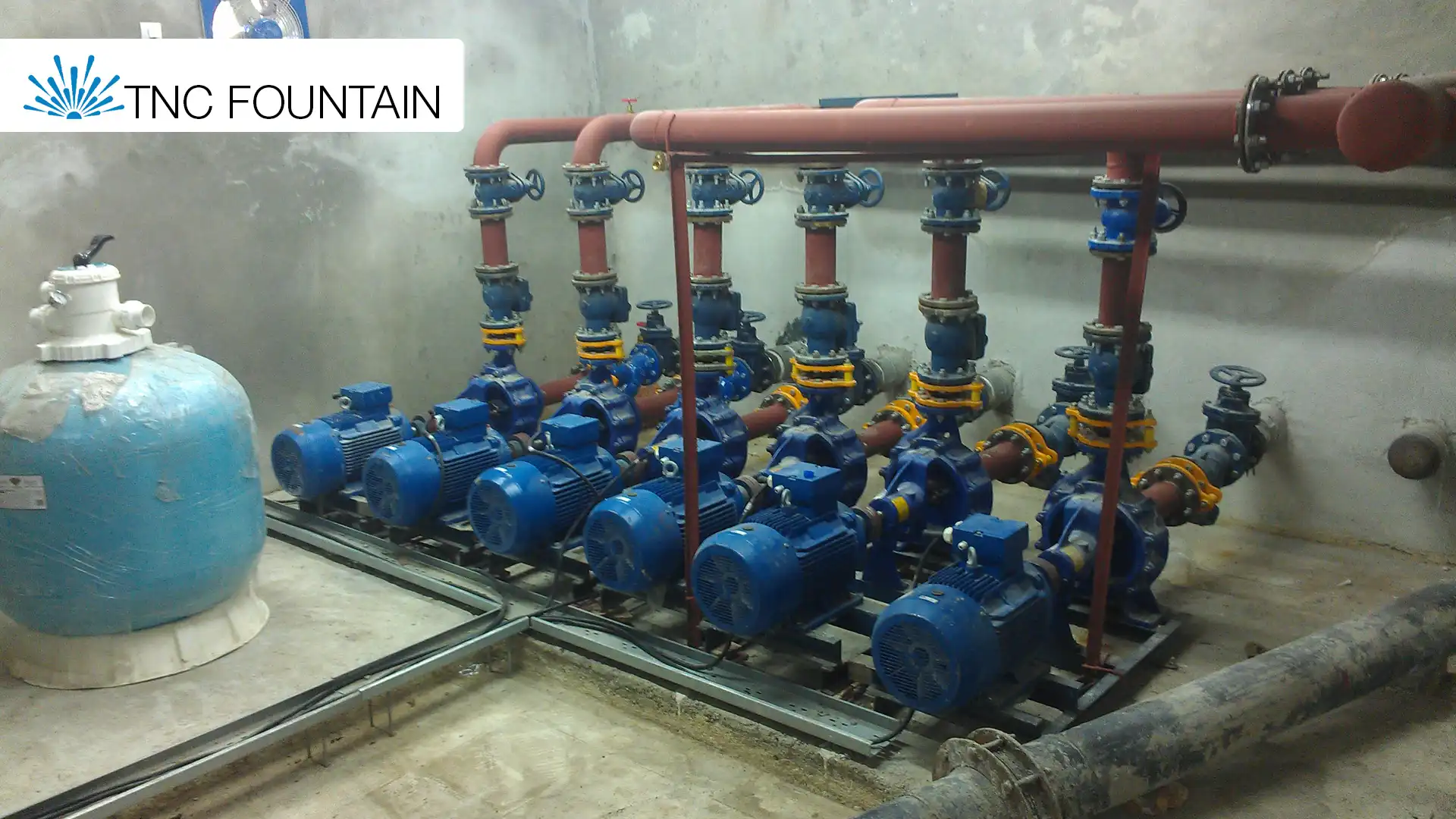
Environmental Exposure Considerations
Urban fountain installations confront harsh environmental stressors absent from controlled indoor environments. Atmospheric particulate loading from vehicle emissions and construction activities continuously introduces contamination requiring enhanced filtration capacity. Direct solar exposure accelerates photosynthetic algae growth while elevating evaporation rates that concentrate dissolved minerals and treatment chemicals.
Wind-driven debris accumulation demands frequent skimming protocols, while temperature fluctuations stress biological treatment systems. Engineered solutions incorporate automatic level compensation systems responding to evaporative losses, strategic shading through architectural elements or landscaping integration, and oversized debris baskets protecting mechanical components.
Operational Maintenance Protocols
Consistent preventive maintenance distinguishes professional installations from deteriorating systems. Filter inspection schedules require weekly assessment with cleaning intervals determined by contamination rates and seasonal conditions. Water chemistry testing—conducted biweekly minimum—tracks pH, sanitizer residuals, alkalinity, and calcium hardness against established parameters.
Seasonal basin drainage enables comprehensive cleaning removing accumulated sediment and biological films that evade routine filtration. Sensor calibration verifies measurement accuracy while preventing treatment system drift that compromises water quality or wastes chemicals.
Material selection profoundly impacts maintenance requirements and system durability. Marine-grade stainless steel, specialized polymer composites, and advanced protective coatings resist both chemical attack and environmental weathering, reducing replacement cycles while maintaining aesthetic standards.
Sustainable Resource Management
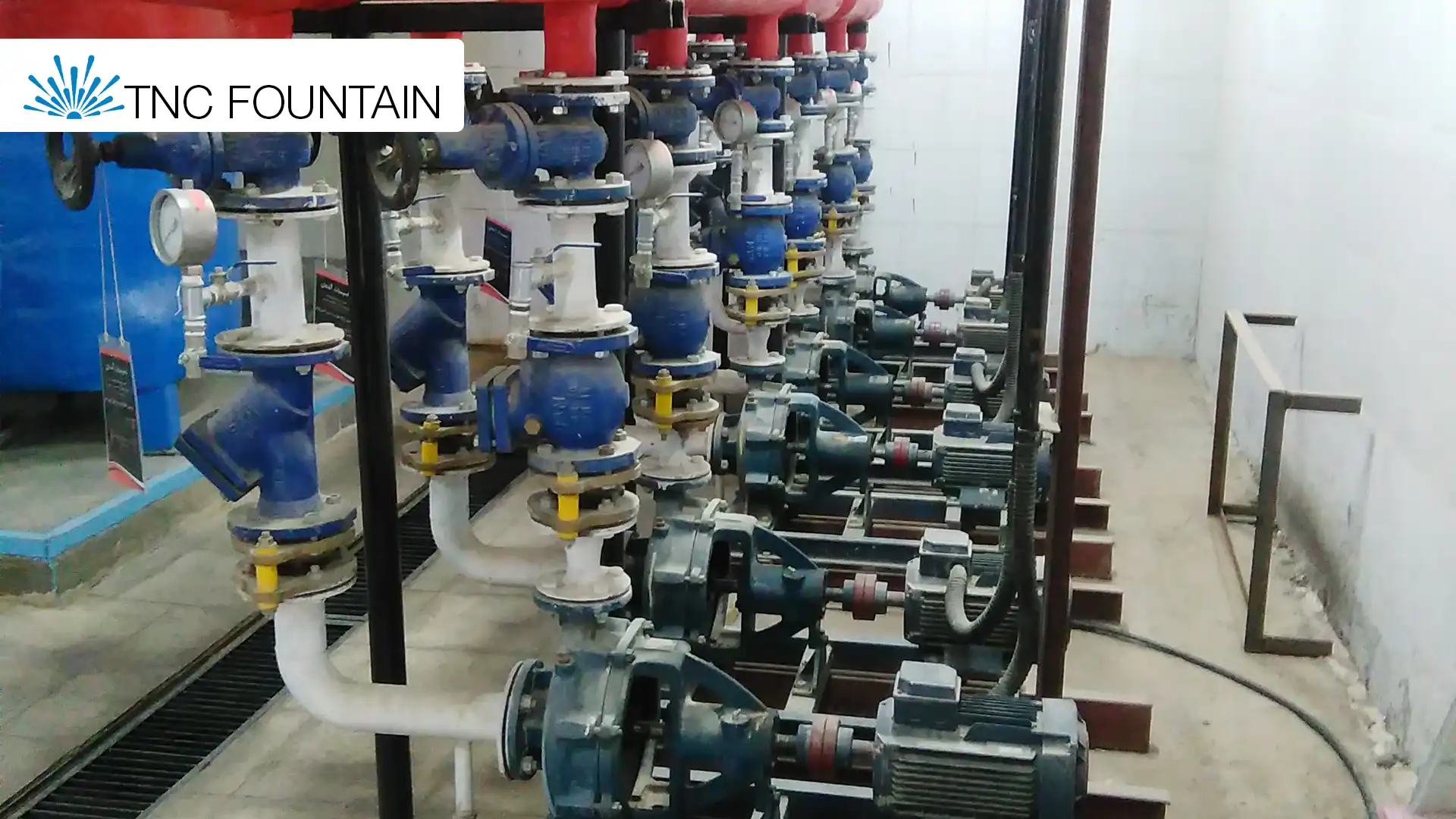
Contemporary Water Quality Management in Large Fountain design prioritizes environmental stewardship through innovative conservation strategies. Closed-loop recirculation systems minimize municipal water consumption while rainwater harvesting infrastructure converts precipitation into supplemental feed reducing freshwater demand. Variable-frequency pump drives and intelligent scheduling algorithms slash energy consumption without sacrificing hydraulic performance.
In water-scarce regions throughout arid climates, these efficiency measures transform fountains from resource liabilities into demonstrations of responsible environmental engineering. Properly executed systems balance spectacular visual impact against measurable sustainability achievements.