


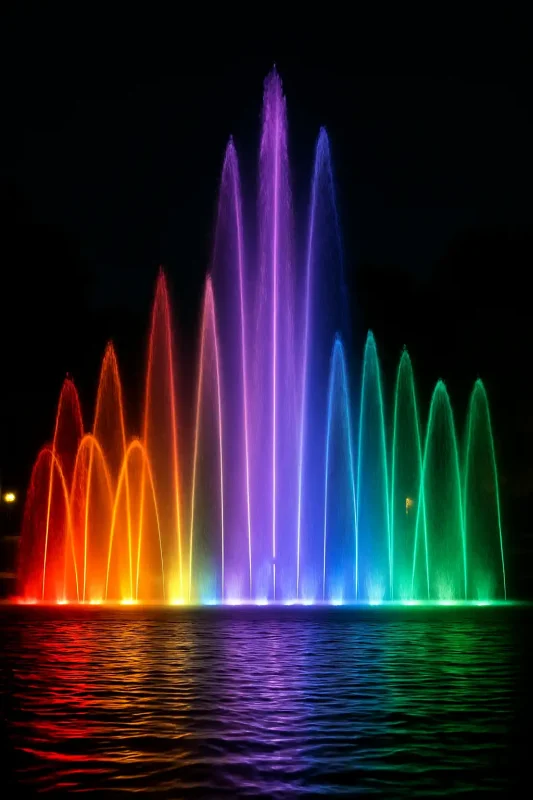
Water Fountain Lighting & Effects
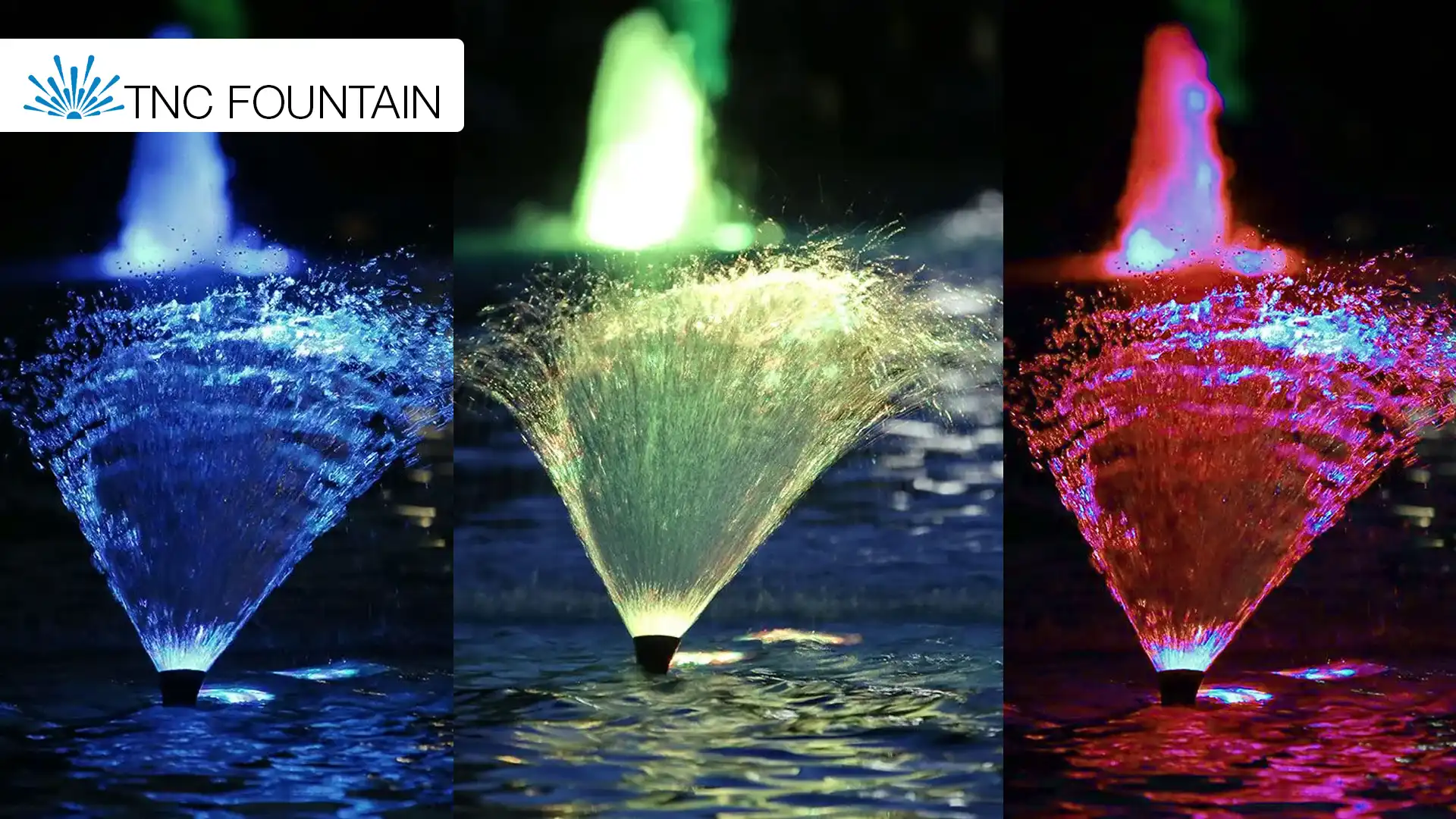
Illumination Engineering: How Fountain Lights Redefine Nighttime Water Displays
Fountain lights represent the transformative element that elevates water installations from daytime attractions into mesmerizing nocturnal experiences. In professional-grade installations, illumination engineering extends beyond mere decoration—it serves as a critical design component that accentuates architectural geometry, amplifies hydraulic motion, and establishes atmospheric character. Strategic lighting implementation converts conventional water features into commanding visual statements that capture attention and generate lasting impressions across commercial landscapes.
The Strategic Function of Illumination Systems
Introducing sophisticated lighting into water features unlocks multiple experiential dimensions that fundamentally alter viewer perception and engagement patterns.
Visual Enhancement: Submerged fountain lights trace water trajectories and volumetric forms, emphasizing the kinetic choreography of jets, cascades, and spray patterns. Illumination reveals structural complexity invisible during daylight hours.
Atmospheric Control: Careful manipulation of color temperature and intensity parameters enables designers to orchestrate emotional responses—serene cyan tones promote tranquility while vibrant magenta sequences inject energetic celebration into urban environments.
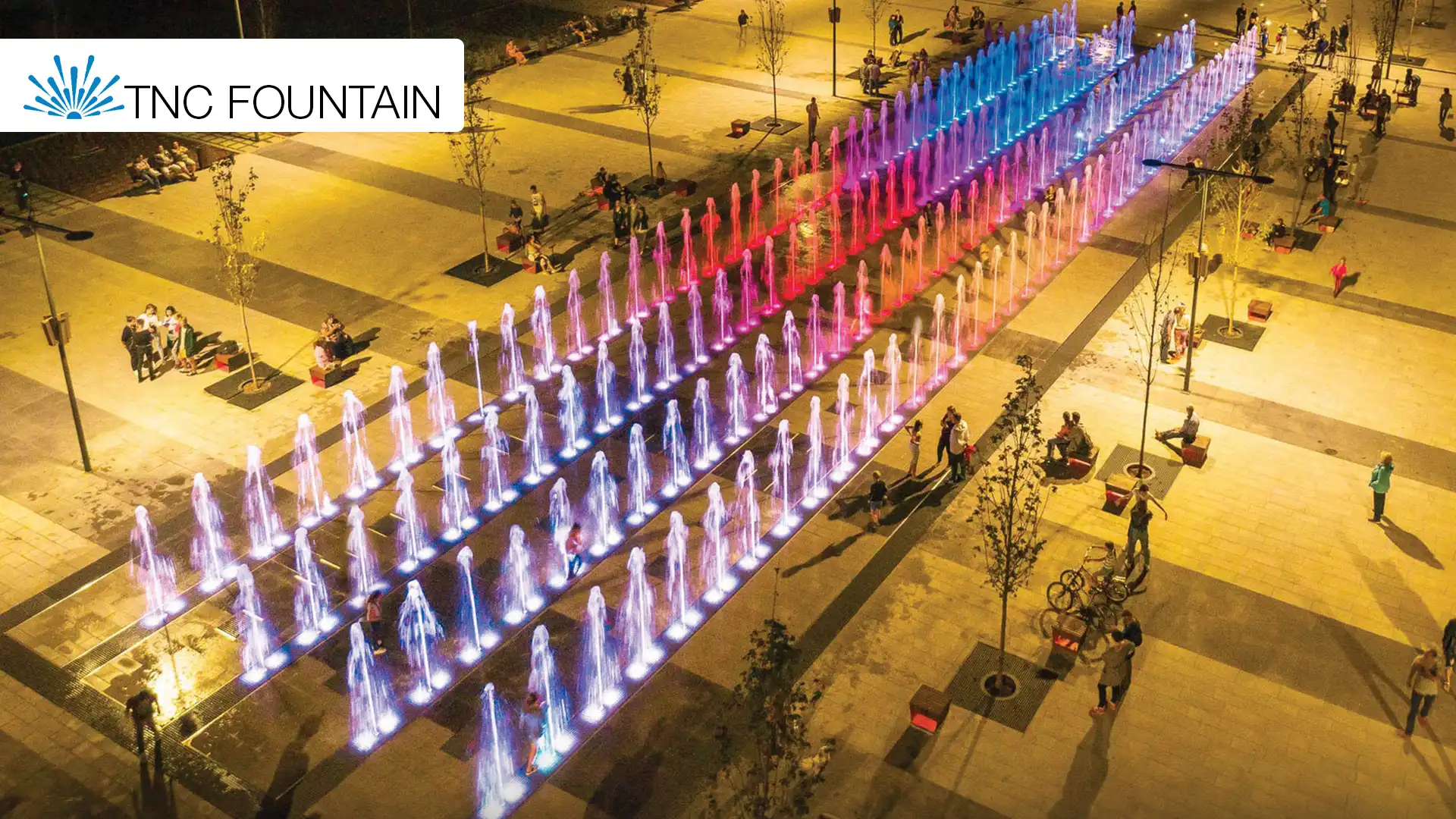
Safety and Accessibility: Properly calibrated illumination transforms fountains into secure navigational landmarks after sunset, defining spatial boundaries while creating inviting gathering points for pedestrian activity.
For hospitality properties, corporate campuses, and metropolitan plazas, expertly illuminated fountains function as signature branding elements generating social media engagement and visitor traffic that extends operational hours and commercial value.
Professional Lighting Technologies
Contemporary fountain installations deploy diverse illumination technologies selected for performance characteristics and design objectives:
- LED Infrastructure: Solid-state lighting dominates modern applications through exceptional energy efficiency, extended operational lifespans exceeding 50,000 hours, and minimal heat generation protecting aquatic ecosystems
- RGB and RGBW Arrays: Programmable color-mixing systems deliver unlimited chromatic possibilities, enabling dynamic light shows choreographed to musical compositions or seasonal themes
- Architectural Accent Fixtures: Directional spotlights and narrow-beam luminaires emphasize sculptural elements, vertical water walls, and architectural features within complex installations
Fixture placement strategies vary significantly—submersible units installed within basin floors provide upward illumination through water columns, perimeter-mounted fixtures graze horizontal surfaces, while elevated positions on adjacent structures deliver dramatic downlighting effects.
Coordinating Water and Light in Musical Fountain Displays
Achieving visual coherence demands precise integration between hydraulic performance and illumination systems. Musical fountain installations represent the pinnacle of this synchronization, where fountain lights choreograph with water jets and audio compositions to create multisensory performances. Successful implementations require careful engineering:
Temporal Synchronization: Advanced control systems coordinate lighting transitions with jet activation sequences, spray pattern variations, and musical beats, creating unified performances rather than disconnected elements. In musical fountain applications, millisecond-precision timing ensures light color shifts align perfectly with melodic crescendos and rhythmic patterns.
Optical Physics: Designers leverage reflection, refraction, and transmission properties of water to amplify lighting effects while mitigating problematic glare conditions that diminish viewer experience or create light pollution.
Geometric Positioning: Fixture depth, mounting angles, and beam spread calculations determine underwater visibility, color saturation, and illumination coverage across three-dimensional water volumes.
Professional installations utilize sophisticated DMX512 control protocols and proprietary lighting consoles enabling real-time manipulation of individual fixture parameters, complex color transitions, and programmed show sequences stored in digital libraries.
Technical Constraints and Engineering Solutions
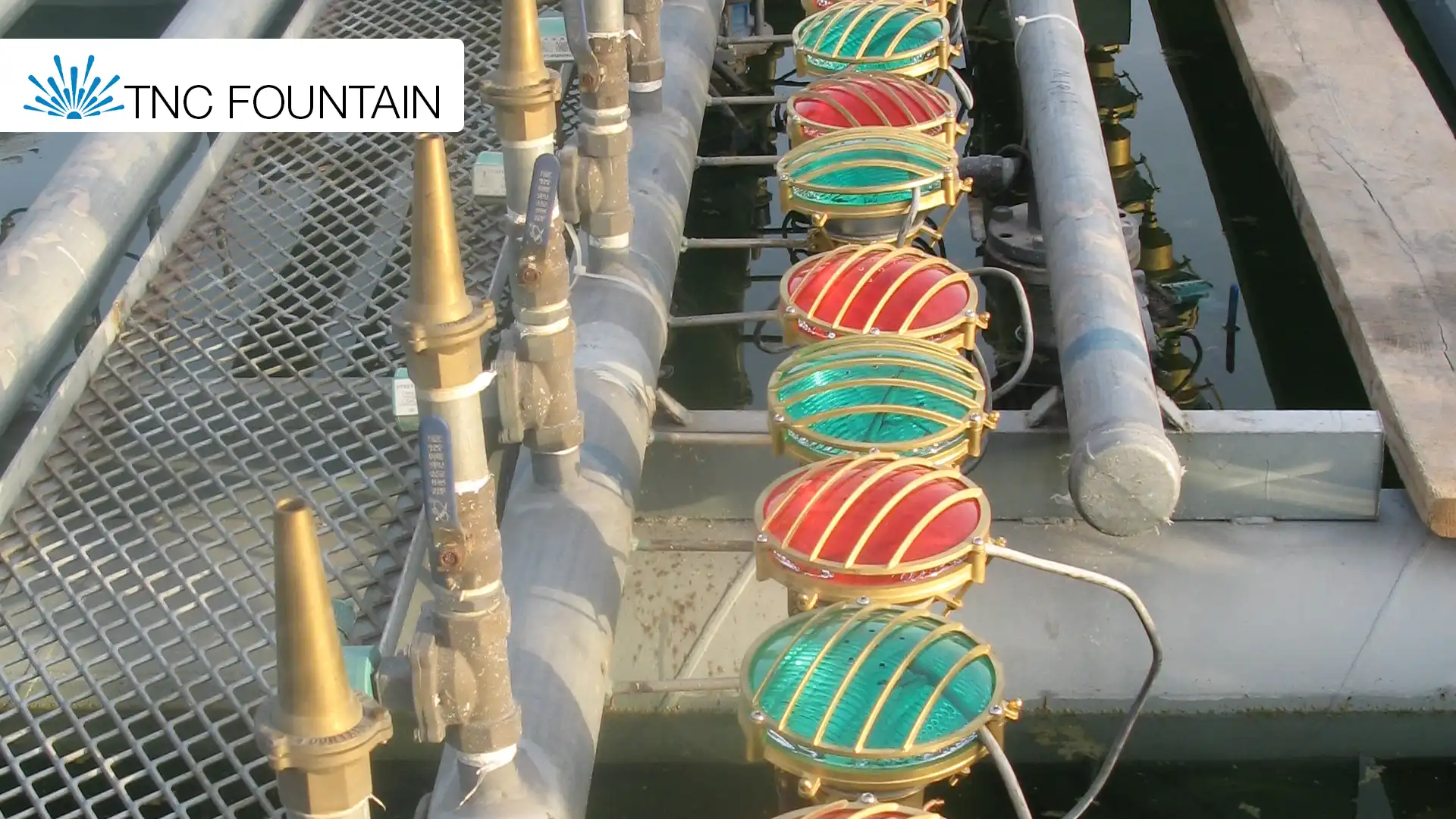
Developing compelling illuminated fountain displays requires navigating substantial technical challenges while maintaining artistic vision. Electrical infrastructure serving submerged fountain lights necessitates marine-grade waterproof connectors, GFCI-protected low-voltage distribution networks, and corrosion-resistant junction enclosures meeting stringent safety standards for aquatic environments.
Maintenance accessibility represents another critical consideration—fixture designs must permit underwater lamp replacement, lens cleaning, and seal inspection without complete basin drainage disrupting operational schedules. Modular mounting systems and quick-disconnect fittings facilitate routine servicing.
Environmental durability determines long-term system reliability. Outdoor fountain lights confront relentless exposure to mineral deposits, chemical water treatments, temperature extremes, and physical stress from hydraulic pressure. Specification of IP68-rated housings, tempered glass lenses, and 316-grade stainless steel components ensures sustained performance despite harsh operating conditions.
Contemporary Innovations and Emerging Trends
The fountain lighting industry continues advancing through technological innovation and sustainability initiatives. Interactive illumination systems now respond to human presence via motion sensors or accept user input through mobile applications, transforming passive observation into participatory experiences that increase dwell time and social engagement.
Environmental consciousness drives adoption of photovoltaic-powered fountain lights in remote installations, while intelligent sensors adjust brightness based on ambient conditions, reducing energy consumption without compromising visual impact during peak viewing hours.
Fountain lights constitute far more than supplementary decoration—they define spatial identity and experiential character. Masterfully illuminated installations compel audiences to congregate, interact emotionally, and retain vivid memories of extraordinary water displays that persist long beyond sunset hours.